Have you ever looked at a crowded closet and felt like you had absolutely nothing to wear? Most of us have experienced this paradox of choice. The solution doesn't lie in buying more clothes, but in applying architectural principles to our wardrobe. By treating our clothing collection as a designed system rather than a random accumulation of items, we can build a "Capsule Wardrobe" that is both functional and aesthetically pleasing. This is the art of engineering versatility through thoughtful design.
The Blueprint of a Modular Wardrobe
In architecture, a blueprint ensures that every element serves a purpose. Similarly, a capsule wardrobe requires a strategic plan. Instead of chasing fleeting trends, we focus on modularity. Each piece must be able to interact seamlessly with multiple other items. This creates a geometric expansion of outfit possibilities without increasing the physical volume of your closet.
Selecting Your Foundation Colors
Just as a building needs a solid foundation, your wardrobe needs a cohesive color palette. Start with two base colors, such as navy and charcoal, or camel and black. These neutrals provide the structural integrity of your collection. Once the foundation is set, you can introduce accent colors that reflect your personality while ensuring they still harmonize with the base layers. This systematic approach eliminates the "mismatch" problem entirely.
Prioritizing Material Integrity
Engineering a wardrobe means looking at the specifications of the fabrics. High-quality natural fibers like wool, linen, and organic cotton are the "premium materials" of fashion architecture. They breathe better, last longer, and maintain their shape over hundreds of wears. Investing in quality over quantity isn't just a lifestyle choice; it's a long-term sustainability strategy that reduces cost-per-wear significantly.
Strategic Component Analysis
To build a high-performing wardrobe, we must analyze the specific role each garment plays. Every item should fall into a category that supports the overall structure of your daily life. Think of your clothing as components in a high-efficiency machine.
The Essential Core Components
These are the non-negotiable items that form the skeleton of your wardrobe. They should be the highest quality you can afford.
- The Structural Blazer: A piece that instantly upgrades any casual outfit to professional levels.
- The Universal White Shirt: A versatile layer that works under sweaters, over tees, or on its own.
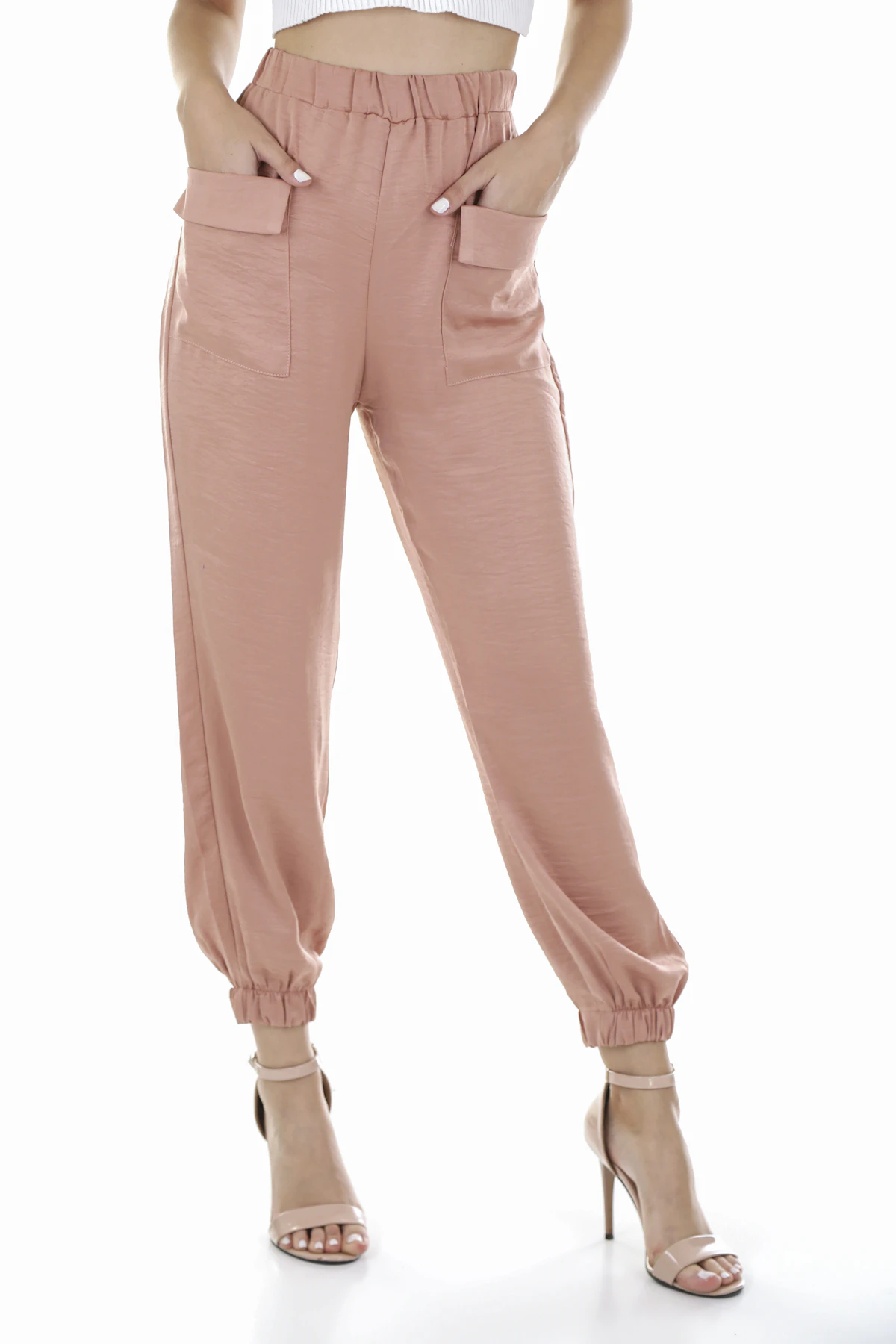
- The Precision-Cut Trousers: Neutral pants that bridge the gap between formal and relaxed settings.
- The Durable Outerwear: A classic trench or wool coat that protects against the elements while maintaining a clean silhouette.
When you have these core components, the daily task of getting dressed transforms from a stressful chore into a simple assembly process. You can find more inspiration on how to select these core pieces through professional curated style guides that emphasize timeless design over fast fashion.
The Efficiency of a Curated Collection
How much do you actually gain by reducing the number of items you own? Let's look at the "Efficiency Metrics" of an architected wardrobe versus a traditional one. When your closet is engineered for versatility, your options actually increase because every item is compatible.
| Metric | Traditional Wardrobe | Architected Capsule |
|---|---|---|
| Total Items | 100+ items | 30 - 40 items |
| Inter-compatibility | Low (Random pieces) | High (Systemic design) |
| Daily Decision Time | 15 - 20 minutes | 2 - 5 minutes |
| Sustainability | High waste / Fast fashion | Low waste / Longevity |
| Cost-per-wear | High (Many unworn items) | Low (Regular rotation) |
Engineering the Lifecycle of Your Style
A well-engineered wardrobe isn't static; it's a living system that evolves with your lifestyle. The key is maintenance and periodic "structural audits." Every season, take the time to evaluate which pieces are performing well and which might need a "retrofit" or replacement. This ensures your style remains relevant and functional without reverting to clutter.

Sustainable Expansion
When you do decide to add a new piece, ask yourself if it fits the existing architecture. Does it work with at least three other items? Does it serve a specific function that is currently missing? By following these strict design requirements, you prevent the "structural decay" of your capsule system. For those interested in the environmental impact of this approach, check out the latest circular fashion reports which highlight how longevity is the ultimate goal.
Building Your Personal Legacy
Capsule Wardrobe Architecture is more than just a organization hack; it’s a philosophy of intentional living. By engineering your wardrobe for versatility, you reclaim your time, reduce your environmental footprint, and ensure that you always project a version of yourself that is polished and prepared. Start small, focus on quality, and remember that in the world of design, less is often significantly more. Why not start your first structural audit today?
