Have you ever stepped out on a crisp autumn morning feeling perfectly styled, only to realize ten minutes later that you're either shivering or sweating? We often focus so much on the colors and silhouettes of our outfits that we forget the most scientific part of fashion: fabric weight. Matching the weight of your base layers with your outerwear isn't just about comfort; it's the secret to achieving that effortless, high-end look without the bulk.

The Magic of GSM: Understanding Fabric Density
Before we dive into pairings, we need to talk about GSM, or Grams per Square Meter. This is the standard measurement for fabric weight. When you understand this, you stop guessing and start styling with precision. A low GSM means the fabric is light and airy, while a high GSM indicates a dense, heavy material.
Lightweight Fabrics (100-150 GSM)
Think of your favorite thin cotton tees, silk camisoles, or high-performance synthetic base layers. These are designed to sit close to the skin, providing a smooth foundation without adding volume. They are the essential starting point for almost any sophisticated layered look.
Midweight Fabrics (150-250 GSM)
This category includes standard denim, heavier jersey cotton, and light wool blends. These pieces offer structure. A midweight base layer can often stand alone in temperate weather, but when used for layering, it requires a bit more "breathing room" from your outerwear.
Heavyweight Fabrics (250+ GSM)
Coats, thick hoodies, and heavy knits fall here. These are your "shield" layers. Pairing a heavyweight base with a heavyweight outer layer can be tricky—if not done correctly, you might lose your shape entirely and feel restricted in your movement.
Creating the Perfect Equilibrium
The golden rule of layering is the "Balance of Tension." If your outerwear is structured and heavy, like a tailored wool overcoat, your base layer should ideally be sleek and lightweight. This creates a beautiful contrast and allows the coat to drape naturally over your body.
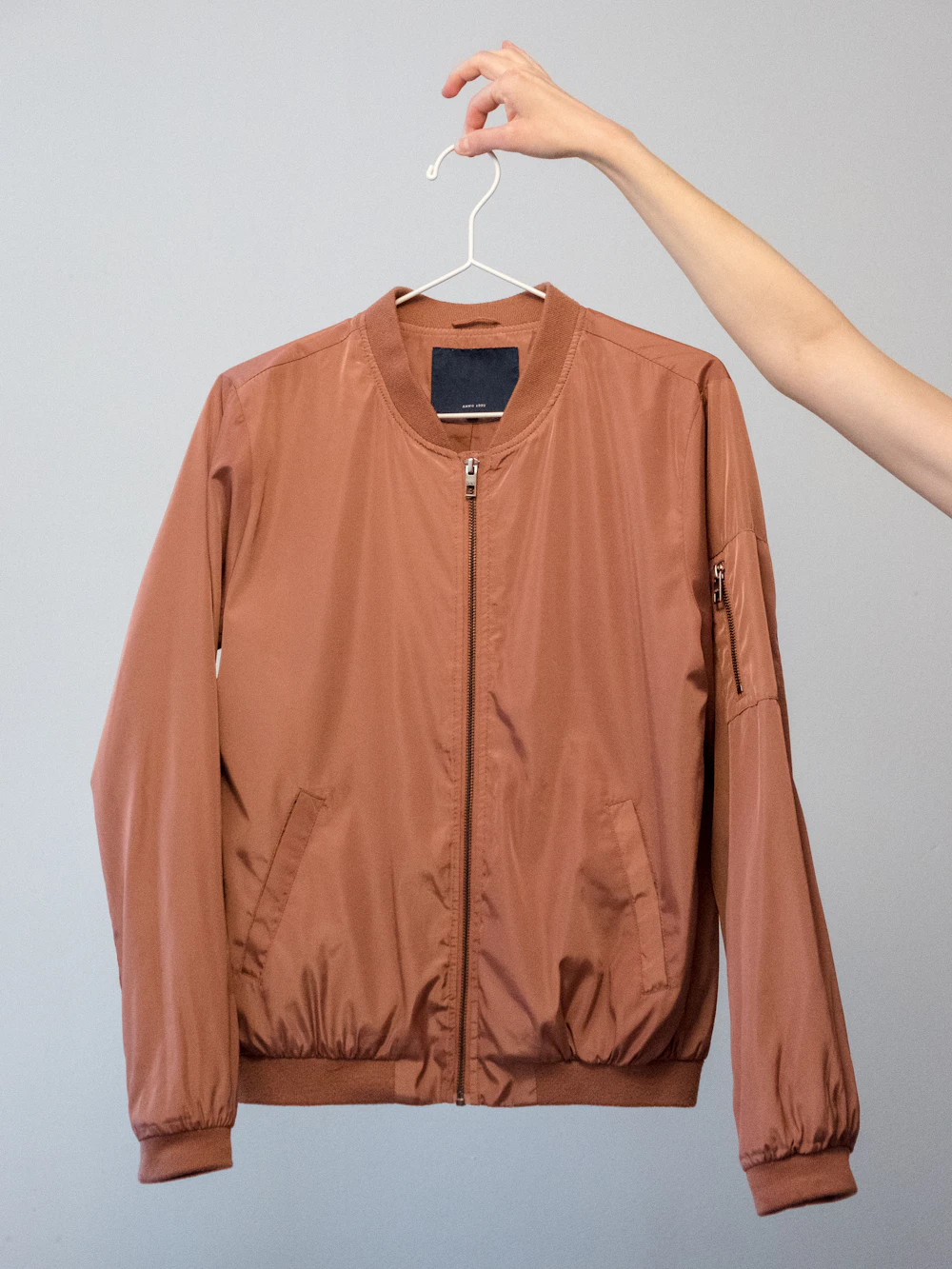
On the other hand, if you're wearing a lightweight windbreaker or a thin technical shell, a midweight merino wool sweater underneath adds the necessary warmth and visual "depth" to the outfit. It's all about ensuring that one layer doesn't overwhelm the other.
The Ultimate Weight-Matching Guide
To make your morning routine easier, here is a quick reference table to help you decide which fabrics to pull from your closet based on your choice of outerwear.
| Outerwear Type | Ideal Base Layer Weight | Recommended Fabrics |
|---|---|---|
| Tailored Wool Coat | Lightweight | Silk, Fine Merino, Thin Cotton |
| Puffer Jacket | Midweight | Thermal Knits, Jersey, Light Fleece |
| Leather Jacket | Light to Midweight | Ribbed Cotton, Cashmere Blends |
| Technical Shell/Raincoat | Midweight to Heavy | Heavy Hoodies, Thick Flannel |
| Denim Jacket | Lightweight | Classic T-shirts, Linen Blends |
Common Mistakes to Avoid
One of the most frequent errors is "Double Bundling." This happens when you pair a chunky cable-knit sweater with a slim-fit down jacket. Not only will you feel like you can't move your arms, but the compression also kills the insulation properties of the down, actually making you colder! Always ensure there is enough air trapped between layers to maintain warmth.
Another tip is to watch the "Drape Factor." A heavy base layer under a light, flowy trench coat will create strange lumps and bumps, ruining the sleek silhouette of the coat. If you want more tips on maintaining your silhouette, check out this expert guide on layering silhouettes.
When matching weights, try to vary the textures too. A smooth, lightweight silk base layer looks incredible under a rough, heavyweight tweed jacket. The contrast in both weight and texture adds a level of sophistication that makes people think you hired a personal stylist!
Final Thoughts on Mastering the Layer
Fashion is a tactile experience. The next time you get dressed, take a moment to feel the thickness of your pieces. By mastering the art of fabric weight matching, you're not just staying comfortable; you're showing a deep understanding of garment construction and personal style. Remember, the goal is to feel as good as you look, with every layer working in harmony rather than competing for space. Happy styling!
