The Bold Beauty of Visible Strength
Have you ever looked closely at a pair of vintage overalls or a rugged chore coat and noticed the bright, thick lines of thread tracing every seam? That is the magic of contrast stitching. In the world of workwear, where every detail was originally born out of necessity, contrast stitching stands as a testament to both durability and design. It’s not just about holding fabric together; it’s about celebrating the very architecture of the garment. By using a thread color that pops against the fabric, designers highlight the complex engineering that allows these clothes to withstand years of hard labor.
Historically, this wasn't always a style choice. In the early days of industrial garment production, heavy-duty threads—often in natural or high-visibility colors like orange or white—were used because they were the strongest available. Today, this aesthetic has transitioned from the workshop to the runway, becoming a hallmark of quality and "heritage" style. When you see those bold lines, you’re looking at the structural soul of the piece.
More Than Just a Decoration
The Science of the Seam
Why do we find these visible seams so appealing? It comes down to structural honesty. When a jacket features triple-needle stitching in a contrasting color, it tells the wearer exactly where the stress points are and how they’ve been reinforced. This visual "map" creates a sense of trust between the garment and the person wearing it. It transforms a flat piece of fabric into a three-dimensional sculpture, defining the shoulders, the pockets, and the yoke with precision.
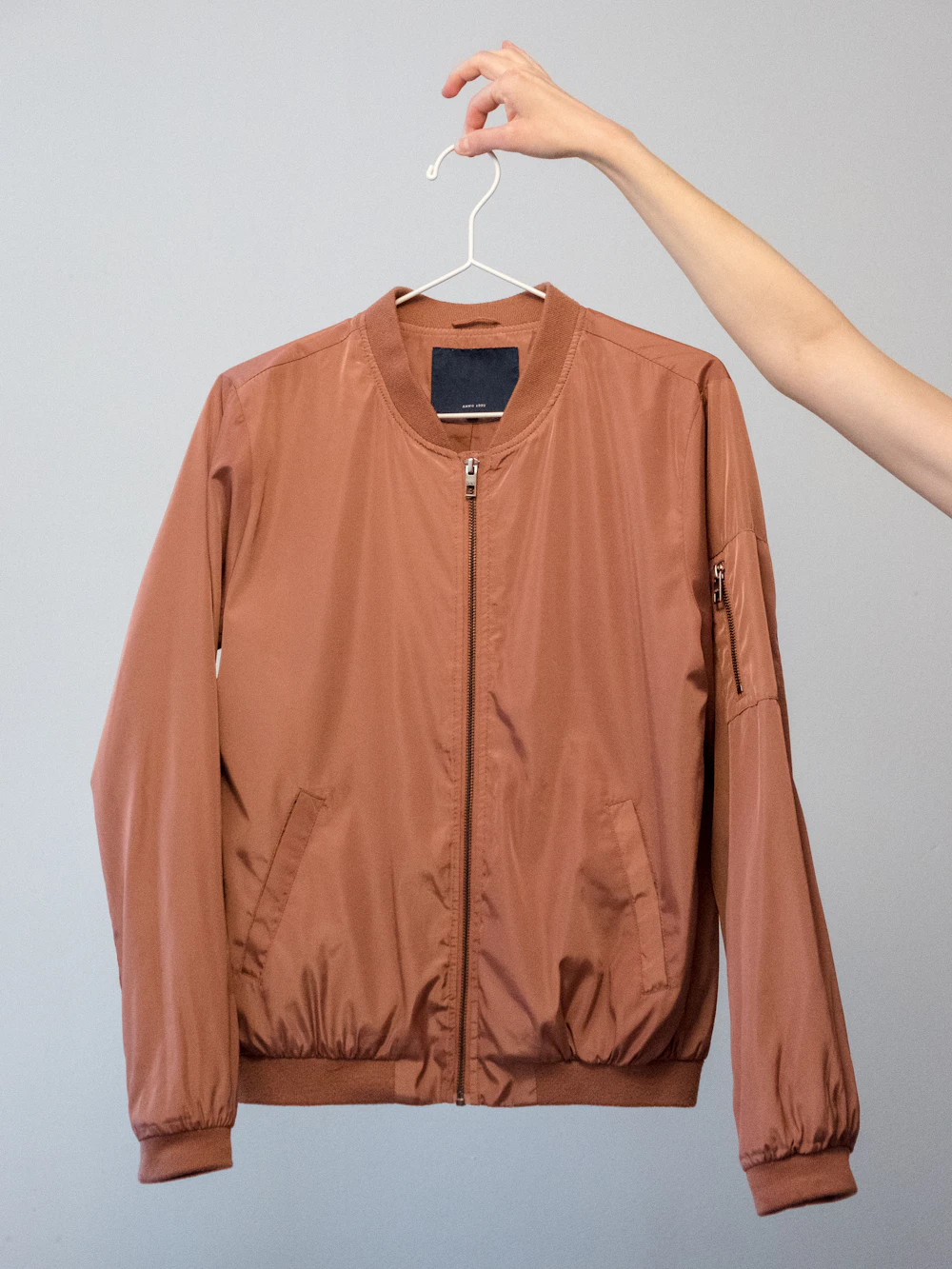
In modern fashion, contrast stitching is used to elongate the silhouette or emphasize specific design features like oversized utility pockets. It brings a "raw" and "unfinished" energy that feels authentic in an era of mass-produced, fast fashion. For those who appreciate the craftsmanship of selvedge denim, the contrast stitch is often the first thing they look for to judge the quality of a pair of jeans.
Key Benefits of Contrast Stitching
• Structural Definition: It creates a clear visual outline of the garment's construction, making the design look more intentional and complex.
• Durability Indicator: Multiple rows of contrast stitching usually signify reinforced seams that won't easily rip or fray.
• Visual Texture: It breaks up large areas of solid color, adding depth and a tactile feel to the fabric.
• Heritage Appeal: It instantly connects the wearer to the long tradition of industrial craftsmanship and honest labor.
Choosing the Right Stitch for the Job
Common Techniques in Workwear Construction
Not all stitches are created equal. Depending on the purpose of the garment, different techniques are used to ensure that the "bones" of the clothing remain intact. Let's look at how various stitching methods contribute to both the look and the longevity of high-quality workwear.
| Stitch Type | Visual Characteristic | Primary Function |
|---|---|---|
| Triple-Needle Stitch | Three parallel lines of thread | Maximum reinforcement for heavy stress points like side seams. |
| Bar Tack | Short, dense zig-zag stitch | Reinforces the corners of pockets and fly openings. |
| Chain Stitch | Rope-like texture on the underside | Provides flexibility and strength, especially on hems. |
| Contrast Topstitching | Single or double bold lines | Emphasizes the silhouette and holds facings in place. |
The Chain Stitch is perhaps the most beloved among enthusiasts. It requires a specific machine and creates a unique "puckering" effect over time known as "roping." This adds a beautiful, faded character to the hems of jeans as they age, a detail that is highly sought after in the denim community.
Integrating the Look into Your Wardrobe
You don't have to be a carpenter or a mechanic to appreciate the aesthetic of structural stitching. Incorporating these pieces into a modern wardrobe is surprisingly easy. A navy blue chore coat with white contrast stitching works perfectly over a simple white T-shirt and chinos. The stitching acts as a built-in accessory, providing enough visual interest that you don't need much else to complete the outfit.
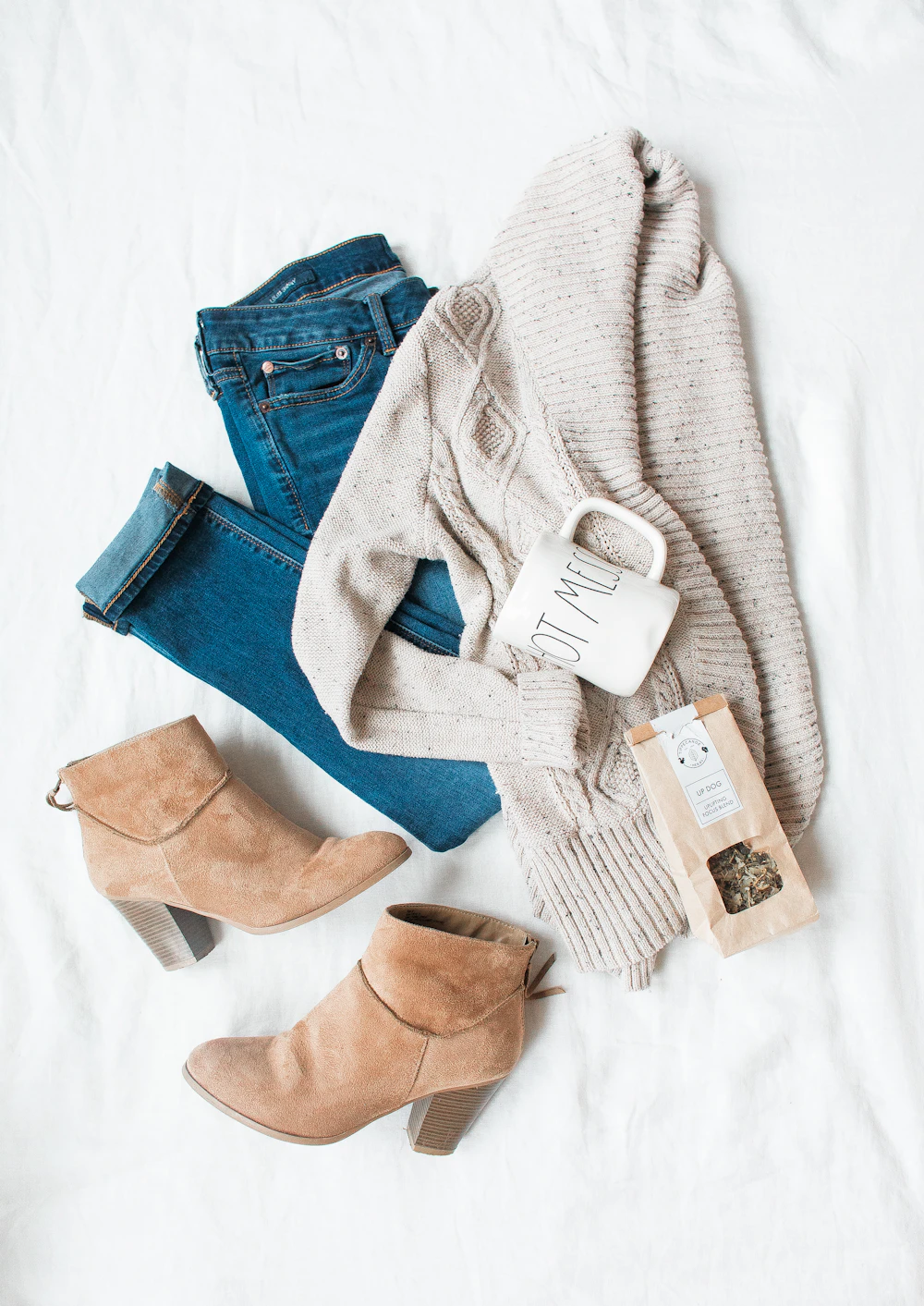
If you're feeling adventurous, look for garments with "tonal" contrast—where the thread is just a few shades lighter or darker than the fabric. This offers a more subtle take on the trend while still celebrating the construction. For those who want more information on styling, checking out contemporary workwear guides can provide endless inspiration for your next look.
The Lasting Legacy of the Visible Thread
As we move further into a digital age, there is a growing desire for things that feel real, tangible, and well-made. Contrast stitching satisfies this craving by showing us the "how" behind our clothing. It reminds us that behind every garment is a series of deliberate choices, a machine, and a pair of hands. Whether it's the iconic orange thread on a pair of Levis or the intricate white stitching on a Japanese work jacket, these visible seams are a celebration of strength and a beautiful marriage between form and function. Next time you put on your favorite jacket, take a moment to look at the threads—they are the lines that tell the story of your clothes.
