When we look at a high-end winter coat or a sturdy outdoor jacket, we often notice a clean, raised edge along the seams. While many people see this as a simple decorative touch, it actually serves a much more critical purpose. This is the world of
piping cord—a hidden hero in garment construction that balances aesthetic elegance with structural integrity. If you have ever wondered why some garments maintain their shape for decades while others lose their silhouette after a single season, the secret often lies in these tiny, reinforced details. In this guide, we will explore how piping cord works as a mechanical reinforcement for stress points in outerwear and why it remains a staple in quality tailoring.
Beyond Aesthetics: The Structural Role of Piping
Have you ever noticed how the edges of a coat are usually the first places to show signs of wear and tear? Outerwear faces constant friction, stretching, and environmental pressure. Piping cord acts as a structural spine for these vulnerable areas. By inserting a cord wrapped in bias-cut fabric into the seam allowance, designers create a physical barrier that absorbs tension. This keeps the fabric from stretching out of shape and prevents the seam from collapsing under the weight of heavy wool or technical materials.
Distributing Tension Evenly
When you move your arms or sit down while wearing a heavy parka, the seams at the shoulders and hips experience intense "pulling" forces. Without reinforcement, the thread in these seams carries the entire load. Piping cord redistributes this force along the entire length of the cord rather than letting it concentrate on individual stitches. This significantly reduces the risk of "seam slippage," where the fabric threads begin to pull apart.
Preventing Edge Abrasion
Outerwear is frequently subjected to friction—think of your sleeves rubbing against your body or the hem of a long coat brushing against surfaces. Piping provides a raised, sacrificial edge. Instead of the main garment fabric wearing down, the piping takes the brunt of the friction. Because piping is often made from more durable or tightly woven fabrics, it extends the overall lifespan of the piece.
Identifying Critical Stress Points in Outerwear
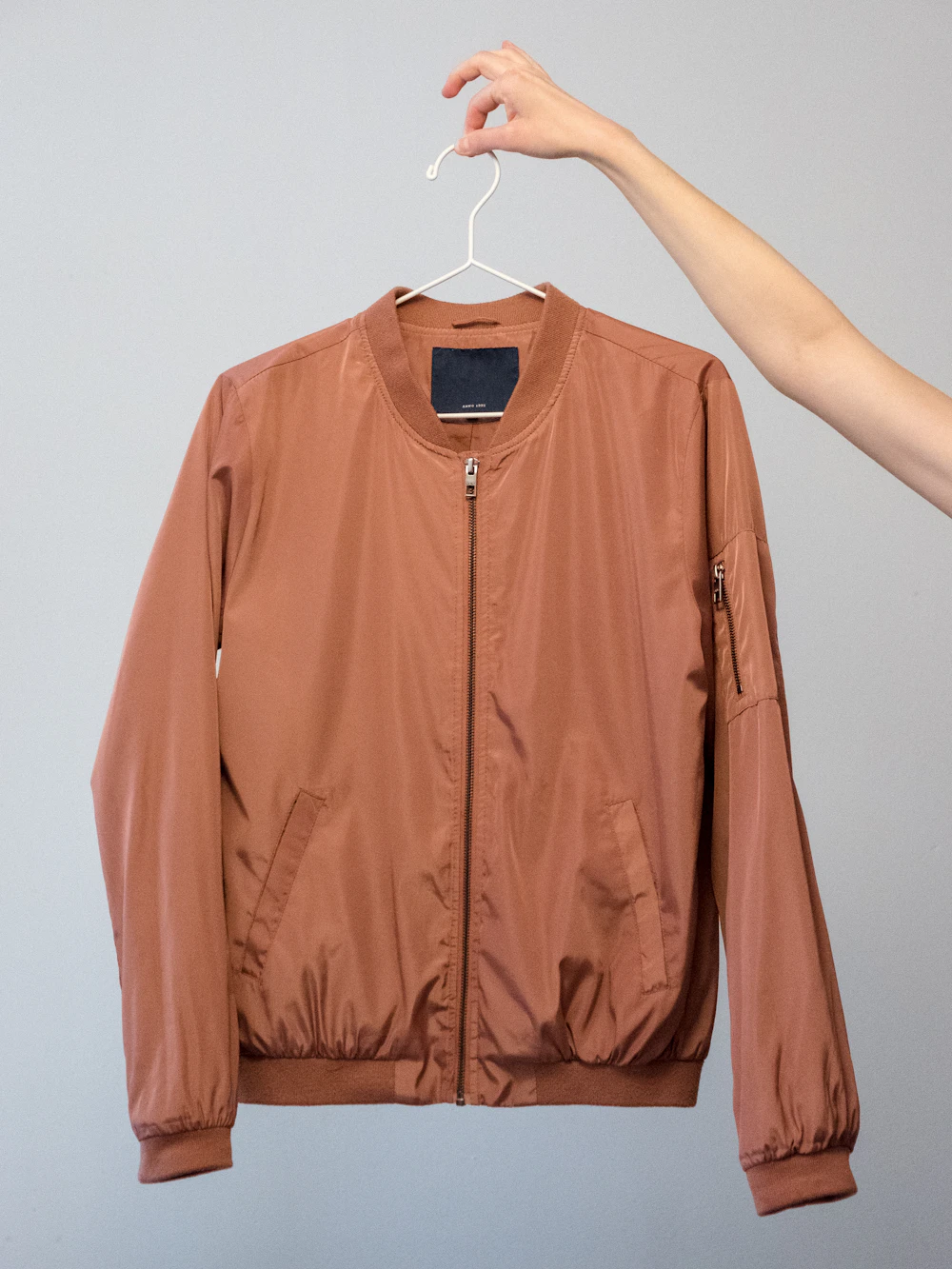
In the world of garment construction, not all seams are created equal. Some areas require more support than others to ensure the wearer feels comfortable and the garment looks sharp. Let’s look at where piping cord makes the biggest difference.
The Shoulder and Armscye
The shoulder is the foundation of any jacket's silhouette. It carries the weight of the entire garment. Piping cord used in the armscye (the armhole seam) helps maintain that crisp, rounded shape even when you are carrying a heavy bag. It ensures the transition from the shoulder to the sleeve remains smooth and structural.
Pockets and Flaps
How many times have we stuffed our hands or heavy phones into our coat pockets? This action puts immense pressure on the pocket corners. Reinforcing the edges of pocket flaps with piping cord prevents them from curling or sagging over time. It keeps the pocket opening stable, ensuring it doesn't stretch out and ruin the coat's lines.
The Center Front and Hems
The center front of a coat, where buttons or zippers are located, needs to be rigid enough to handle constant fastening and unfastening. Piping adds a layer of vertical stability here. Similarly, at the hem, piping provides a "weight" that helps the coat drape beautifully toward the ground, resisting the tendency of lighter fabrics to flutter or fold awkwardly.
Choosing the Right Material for Performance
Not all piping cords are the same. The choice of material depends on whether you need maximum flexibility or maximum rigidity. Below is a comparison of common materials used in modern outerwear construction.
| Material Type | Durability Level | Flexibility | Best Used For |
|---|
| Cotton Cord | Medium | High | Light jackets, trench coats, and breathable natural fabrics. |
| Polyester/Nylon Cord | Very High | Medium | Technical outerwear, raincoats, and heavy-duty parkas. |
| Plastic/Polyethylene | Extreme | Low | Heavy luggage, protective gear, and structured military-style coats. |
| Reflective Piping | High | Medium | Safety gear and modern urban techwear for night visibility. |
Applying Piping Cord Like a Pro
If you are interested in high-quality garment construction or even DIY tailoring, understanding the mechanics of application is key. It’s not just about sewing a cord in; it’s about the precision of the seam allowance and the tension of the cord itself. For those looking for deeper technical patterns, you might find
tailoring resources helpful for mastering these advanced techniques.
Pro Tips for Reinforcing Stress Points
- Use a Piping Foot: Always use a specialized presser foot to get as close to the cord as possible. This ensures a tight fit and prevents the cord from rolling inside the fabric.
- Grade Your Seams: After sewing, trim the seam allowances to different widths. This prevents a bulky "ridge" from forming inside the garment.
- Pre-Shrink Your Cord: If using natural fibers like cotton, always pre-shrink the cord. Otherwise, your seams might pucker the first time the coat gets wet in the rain.
- Tension is Key: Hold the piping cord slightly taut while sewing to ensure it doesn't "wave" or create unwanted ripples along the seam line.
A Final Word on Functional Beauty
In the end, the mechanics of piping cord remind us that true quality is often invisible at first glance. It is the silent support system that allows a coat to endure harsh winters and daily wear while still looking as if it just came off the tailor's mannequin. By reinforcing stress points, piping cord bridges the gap between a garment that is merely "clothing" and one that is a masterpiece of engineering. Next time you put on your favorite jacket, take a look at the seams—you might just find a small cord doing a very big job. Investing in garments with these thoughtful details or taking the time to add them to your own projects is a commitment to longevity and style that never fades.