The Art of Inseam Calibration: Matching Shoe Heel Heights to Hemlines
Have you ever found the absolute perfect pair of trousers, only to realize they look stunning with your stilettos but awkwardly short with your favorite loafers? We have all been there. The secret to a polished, "put-together" look isn't just about the fabric or the fit of the waist; it is about the precise calibration of your inseam to your footwear. It is a subtle science that can transform an outfit from "standard" to "spectacular."
Why the Right Hemline Matters
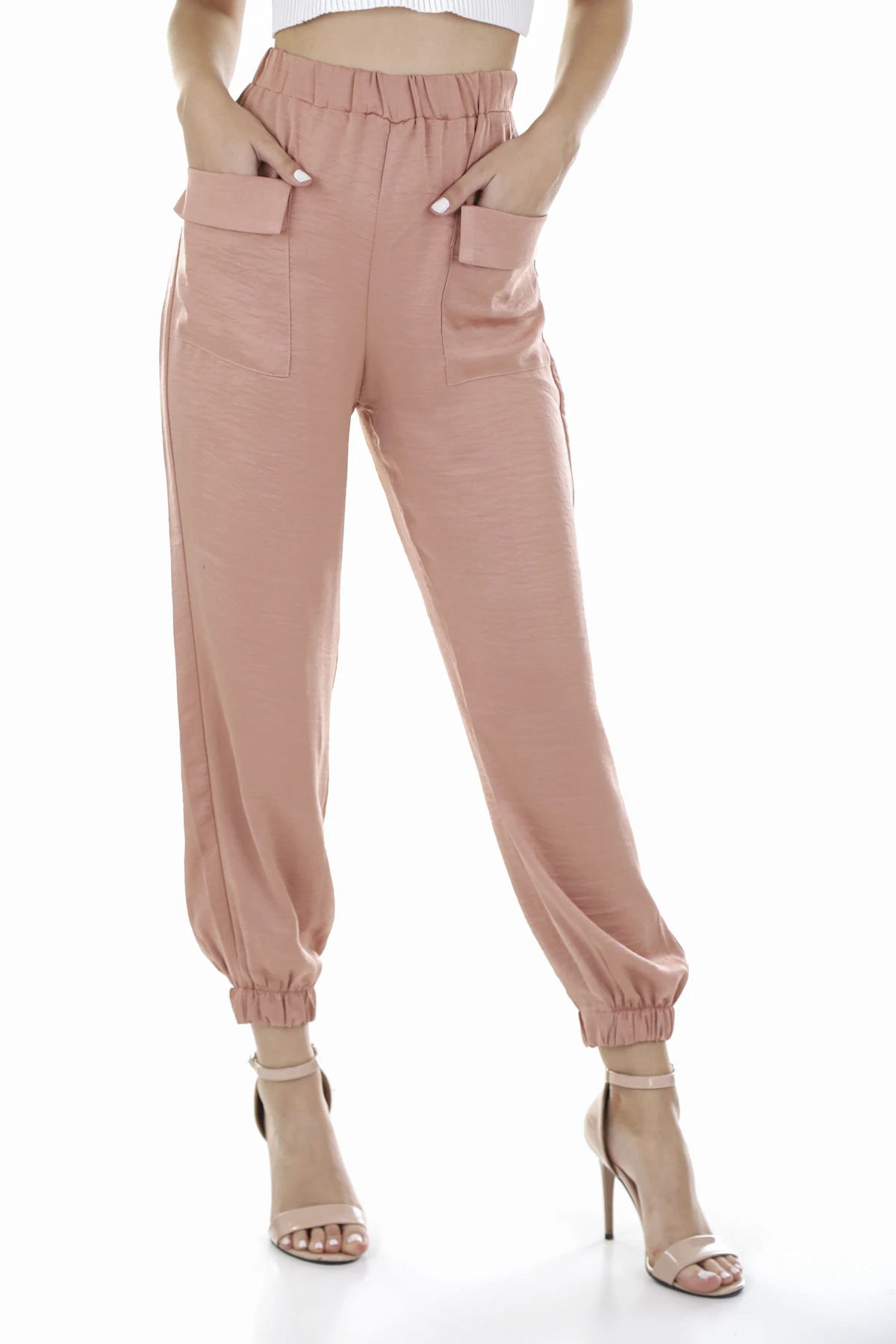
The length of your pants dictates the visual line of your body. When the hemline hits at the right spot relative to your shoes, it creates a seamless, elongated silhouette. Conversely, a hem that is too short can look accidental, while one that is too long creates unsightly bunching—often referred to as "puddling"—which can make you appear shorter and your outfit look a bit disheveled. Mastering this balance is what we call inseam calibration.
Quick Rule of Thumb
For a classic look, your trousers should graze the top of your shoe without creating more than one small "break" or fold in the fabric. If you are wearing wide-leg pants, the hem should ideally sit about 0.5 inches (1.2cm) above the floor to ensure you don't trip while maintaining the longest possible leg line.
Calibrating for Different Shoe Heights
Different shoes require different hem strategies. You cannot expect a single pair of pants to work perfectly with every shoe in your closet unless you are intentionally going for a cropped or rolled look. Let's break down the most common scenarios you will face when matching your wardrobe.
The Flat Shoe Logic
When wearing flats, loafers, or sneakers, the goal is a "no-break" or "slight break" look. Because the shoe has no lift, any excess fabric will immediately hit the ground. For straight-leg or slim trousers, the hem should end right at the top of your ankle bone. This prevents the fabric from dragging and keeps the look crisp and intentional. If you are a fan of more relaxed styles, check out some classic loafer styling guides to see how the pros handle ankle-length cuts.
The Mid-Heel Sweet Spot
Mid-heels or block heels (typically 2 to 3 inches) offer the most versatility. This is the height where most "off-the-rack" trousers are designed to sit. For these, the hem should ideally fall to the middle of the heel counter (the back part of the shoe). This covers the majority of your foot while showing off a hint of the shoe's design, creating an elegant transition from leg to foot.
Finding the Perfect Measurement
To help you visualize how to adjust your wardrobe, here is a quick guide on how different heel heights affect where your hem should ideally land. Keep this in mind next time you visit your tailor!
| Shoe Type | Heel Height (Approx.) | Ideal Hem Placement |
|---|---|---|
| Flats / Sneakers | 0 - 1 inch | Just above the ankle bone or top of the shoe |
| Mid-Heels / Boots | 2 - 3 inches | Halfway down the back of the shoe (heel counter) |
| High Heels / Stilettos | 4+ inches | 0.5 inches above the floor for maximum length |
| Wide-Leg / Palazzos | Any Height | Always 0.25 to 0.5 inches from the floor |
The Wide-Leg and Flare Challenge
Wide-leg trousers and flares are perhaps the most sensitive to heel height. These styles are designed to create a long, columnar effect. If the hem is too short, the "flare" effect is lost, and the pants look like they have shrunk in the wash. For these, you almost always want to tailor them specifically for your highest heels. The hem should just barely clear the floor. This hides the shoe and makes your legs look miles long.
The "Cuffed" Alternative
If you don't want to commit a pair of pants to a single heel height, consider the art of the cuff. For chinos or denim, a neat double-roll can bridge the gap between a flat sneaker and a chunky boot. It adds a bit of texture to your outfit and signals that the length is a conscious style choice rather than a tailoring error.
Practical Tips for Your Next Tailoring Session
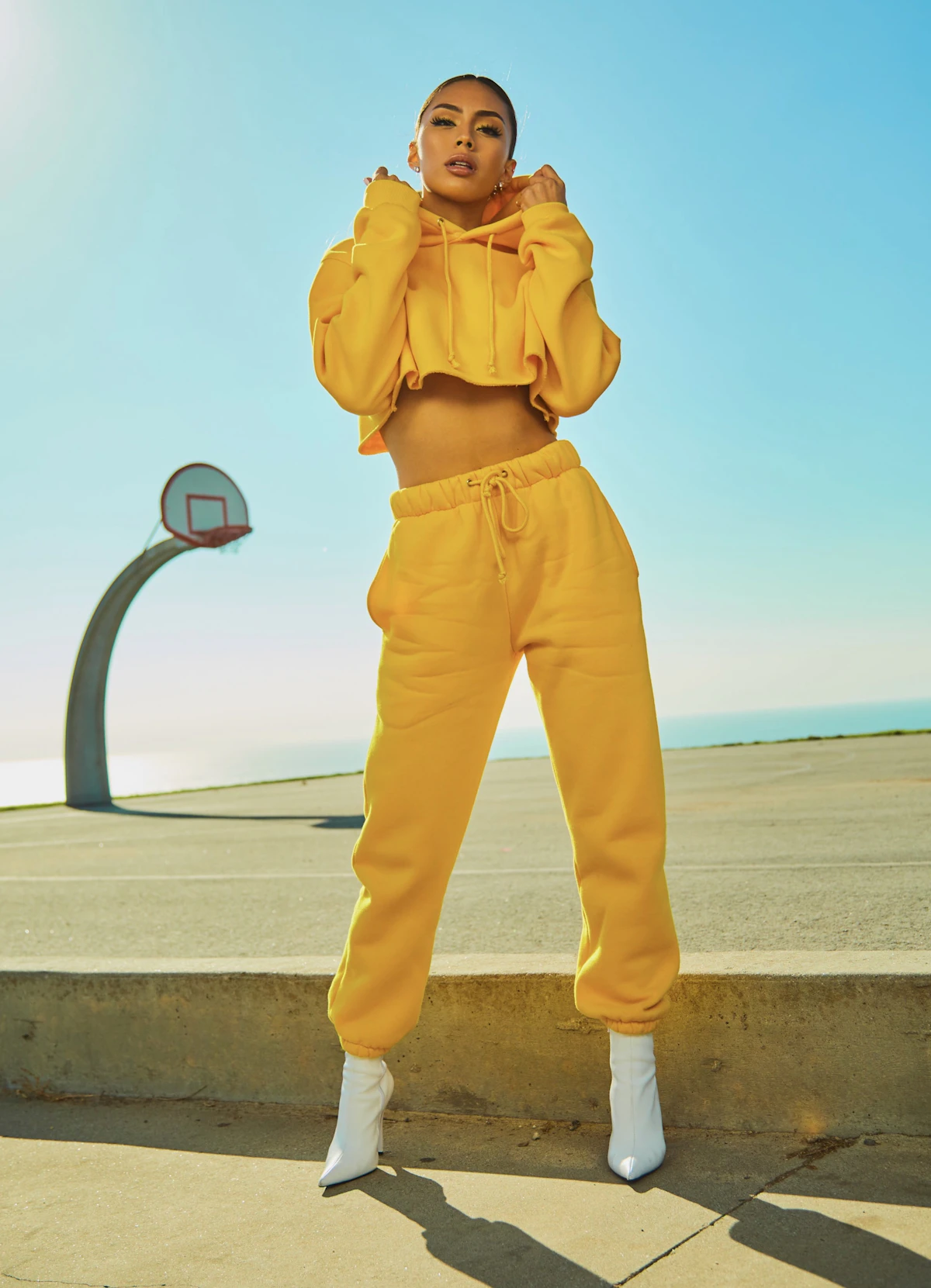
When you take your pants to a tailor, always bring the shoes you intend to wear most often with that specific pair. Don't just stand still; walk around the shop. See how the fabric moves and where it lands when you are in motion. Often, a hem that looks perfect while standing still will "ride up" too high once you start walking.
Also, consider the fabric weight. Heavier fabrics like wool or thick denim don't drape the same way as silk or linen. Heavy fabrics need a slightly shorter cut to avoid looking bulky at the bottom, while lighter fabrics can afford a bit more length as they flow naturally around the shoe.
Wrapping Up Your Style Journey
Mastering the relationship between your inseam and your footwear is one of the easiest ways to elevate your personal style. It shows an attention to detail that sets you apart. While it might seem like a lot of effort to tailor different pants for different shoes, the confidence you feel when your outfit fits perfectly is worth every bit of it. Next time you get dressed, take a quick look in the mirror and check that hemline—your silhouette will thank you!
