The Silhouette Equation: Coordinating Hem Weights with Shoulder Structure
Have you ever looked in the mirror and felt like your outfit was "wearing you" rather than the other way around? Often, the culprit isn't the color or the style, but a hidden imbalance in the silhouette. Styling is much like architecture; it requires a solid foundation and a calculated weight distribution. Today, let’s explore how the relationship between your shoulders and your hemline creates the perfect visual equation.
The Anchor of Style: Understanding Shoulder Structure
The shoulders are the most critical point of any garment. They act as the hanger for the rest of your clothes. When we talk about shoulder structure, we generally look at two extremes: sharp, structured shoulders and soft, natural shoulders.
Sharp and Structured Shoulders
Think of power suits or crisp blazers. These garments use padding or stiff interlining to create a horizontal line. This structure commands attention and broadens the frame. It sends a message of authority and formality. However, if the rest of the outfit doesn't acknowledge this strength, the look can become top-heavy and awkward.
Soft and Natural Shoulders
On the other end of the spectrum, we have dropped shoulders, raglan sleeves, or unconstructed knits. These follow the natural curve of the body. They suggest a relaxed, approachable, and effortless aesthetic. Because the top is "light" in visual weight, the bottom half of your outfit has more freedom to play with volume.
The Counterweight: Why Hem Weights Matter
The "hem weight" refers to how much visual and physical gravity the bottom of your garment carries. A heavy hem might come from thick fabrics like denim or wool, or from sheer volume like a wide-leg trouser or a pleated skirt. A light hem is usually found in tapered silhouettes or lightweight fabrics like silk and linen.
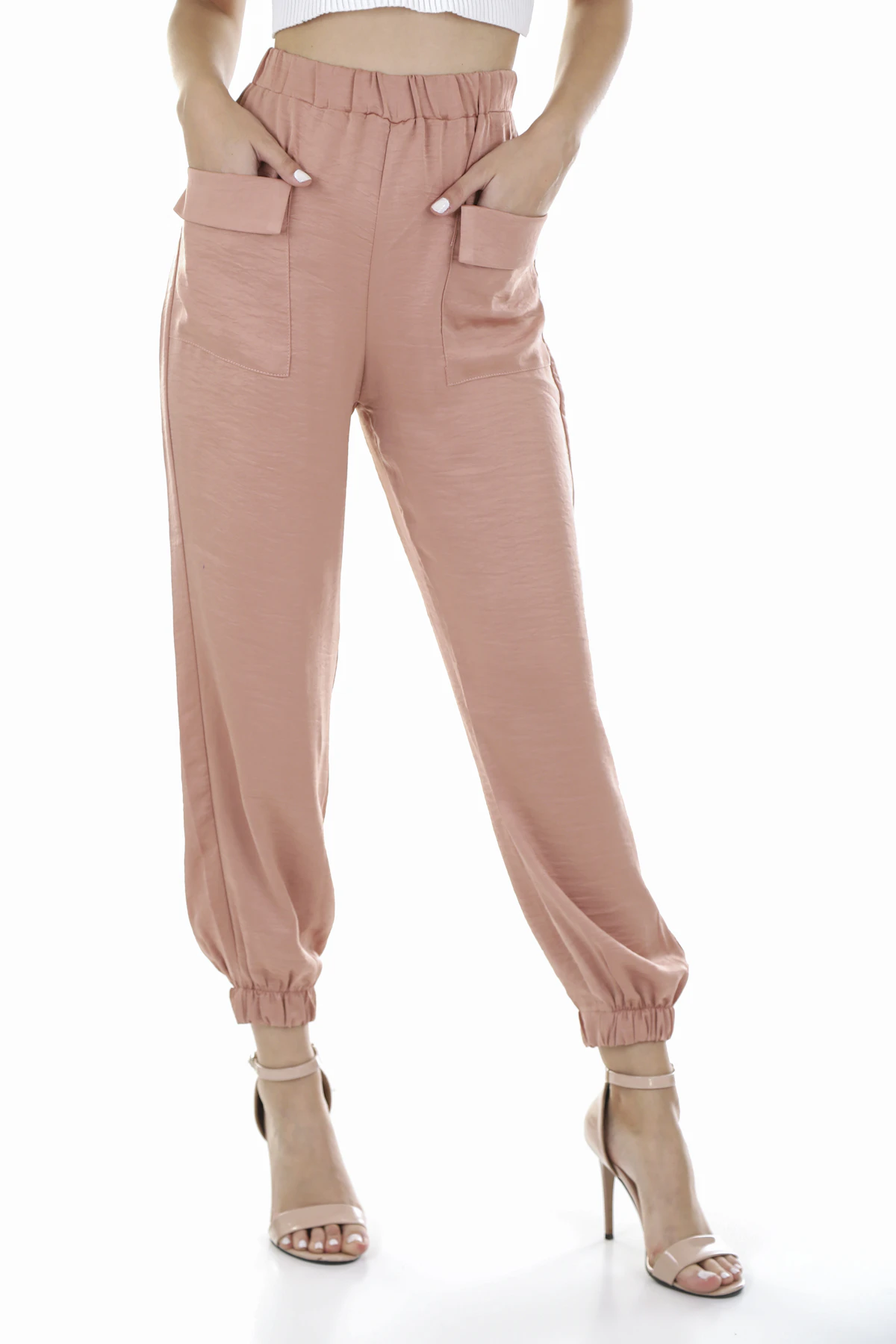
When the hem is too light for a structured shoulder, you might look like an inverted triangle that's about to tip over. Conversely, if the hem is too heavy for a soft shoulder, you might look like you're sinking into your clothes. The goal is to find a harmonious equilibrium.
The Coordination Table: Finding Your Balance
To make this easier, I've put together a quick guide on how to pair different shoulder types with hem weights to achieve specific vibes.
| Shoulder Type | Hem Weight Recommendation | Visual Outcome |
|---|---|---|
| Sharp / Padded | Heavy / Wide-Leg | Powerful & Architectural |
| Sharp / Padded | Tapered / Medium Weight | Modern Professional |
| Dropped / Soft | Light / Flowy | Effortless & Ethereal |
| Natural / Tailored | Straight / Structured | Classic & Timeless |
The Golden Rules of Silhouette Coordination
It’s not just about matching weights; it’s about creating a narrative with your clothes. If you're wearing a blazer with significant shoulder pads, try a trouser with a slight flare or a heavier fabric like corduroy. This "grounds" the outfit. If you're curious about how different fabrics affect this weight, you might want to check out this guide on fabric weights and textures.
Pro Styling Tip: The "V" vs. The "A"
If you want to look taller, aim for a "V" silhouette: structured shoulders and a slightly tapered, medium-weight hem. If you want to look more grounded and artistic, go for the "A" silhouette: natural shoulders paired with a heavy, voluminous hem. Understanding which one fits your personality is the first step to mastering personal style!
Perfecting the Finished Look
When you coordinate your hem with your shoulders, you're essentially managing the viewer's eye movement. A balanced outfit allows the eye to travel smoothly from head to toe without getting "stuck" at a bulky shoulder or a dragging hem.
Remember, these aren't rigid rules, but tools to help you express yourself. Next time you get dressed, take a step back and ask: "Is my hem supporting my shoulders?" You’ll be surprised at how much this small adjustment can change your entire presence.
Key Takeaways for Your Next Outfit:
- Balance the visual gravity: Strong tops need grounded bottoms.
- Consider the fabric: Stiff fabrics add "weight" regardless of volume.
- Mind the proportions: A wide hem can balance broad shoulders perfectly.
- Experiment: Use a mirror to see if you look "top-heavy" or "bottom-heavy" and adjust accordingly.
Fashion is a conversation between different elements of design. By mastering the silhouette equation, you ensure that your style speaks clearly and confidently. Happy styling!
