Have you ever looked at a high-end technical jacket or a sleek designer bag and wondered why it looks so much "cleaner" than a standard one? Often, the secret lies in a tiny detail we usually take for granted: the zipper. While most of us are used to seeing the shiny metallic or plastic teeth of a zipper on the outside, a growing trend in premium fashion and gear is the "inverted" or "reverse-coil" zipper. This subtle shift in hardware orientation does more than just close a garment; it makes a definitive hardware statement that reshapes the entire visual impact of the product. Today, we are going to explore why this inverted design is becoming the gold standard for modern aesthetics and how it influences the way we perceive quality and style.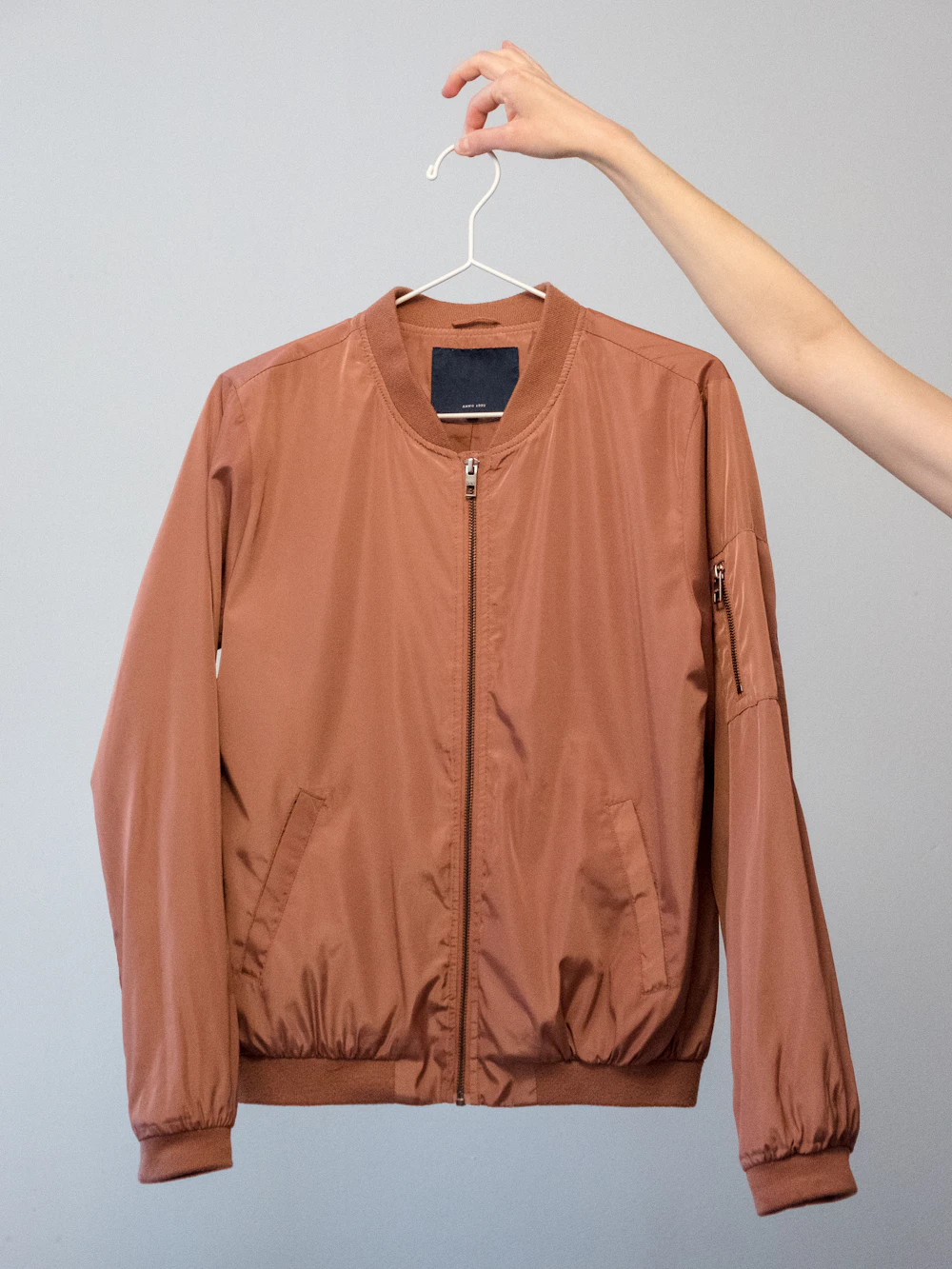
The Aesthetics of Invisibility
The primary appeal of an inverted zipper is its ability to disappear. In traditional zipper construction, the teeth face outward, creating a jagged, interrupted line across the fabric. While this is functional, it can break the visual flow of a garment. By flipping the zipper tape so that the teeth face inward, designers achieve a smooth, matte finish that mimics the look of a clean seam. This "invisible" effect is crucial for minimalist designs where the goal is to reduce visual clutter. When the hardware isn't competing for attention, the silhouette and the texture of the fabric can truly shine. This approach is particularly popular in luxury sportswear and "quiet luxury" brands where subtlety is the ultimate flex.Minimalism and the Modern Silhouette
In modern tailoring, the goal is often to create a silhouette that feels like a single, cohesive piece. Inverted zippers allow for hidden pockets and seamless closures that don't distract the eye. Imagine a sleek black bomber jacket; a traditional silver zipper might give it a punk or industrial feel, but an inverted black zipper makes it look sophisticated and futuristic. This transition from "functional tool" to "integrated design element" is what defines the hardware statement of the 21st century. It’s about intentionality—showing that every single millimeter of the item was considered.Performance Meets High-End Design
Beyond just looking good, inverted zippers often serve a dual purpose in terms of functionality. Because the teeth are hidden on the inside, the flat outer tape provides an excellent surface for specialized coatings. Many high-performance outdoor brands use polyurethane (PU) coatings on their inverted zippers to make them water-resistant. This creates a "matte" or "rubberized" look that has become synonymous with "techwear." This intersection of form and function is where the visual impact is strongest—it looks professional because it is built to perform. If you're interested in the technical specs of these components, you can explore the various types of reverse coil options offered by industry leaders like YKK.The Industrial Allure of Exposed Tape
Interestingly, while inverted zippers are meant to be subtle, they can also be used to create a rugged, industrial aesthetic. When the zipper tape is intentionally wide or textured, it creates a bold line that looks more like an architectural element than a simple fastener. This look is frequently seen in high-end luggage and tactical gear, where the "toughness" of the construction is part of the visual appeal. The contrast between the soft fabric and the rigid, flat line of the inverted tape creates a tactile richness that standard zippers simply cannot match.Why Designers Are Choosing Inverted Hardware
Designers are moving away from traditional hardware because the modern consumer values streamlined efficiency. The inverted zipper provides: 1. A reduction in "visual noise" for a cleaner look. 2. Enhanced protection for the zipper teeth against abrasion. 3. A premium, custom-made feel that differentiates the product from mass-market alternatives. It’s a small change that yields a massive upgrade in perceived value.
Standard vs. Inverted: A Visual Comparison
To better understand why this choice matters, let’s look at how these two hardware styles compare across different categories. The choice of hardware can completely shift the "category" of a garment in the eyes of the consumer.| Feature | Standard Zipper | Inverted (Reverse) Zipper |
|---|---|---|
| Visual Profile | Prominent teeth, reflective | Flat, matte, seamless tape |
| Style Association | Classic, Vintage, Workwear | Minimalist, Techwear, Luxury |
| Water Resistance | Lower (requires a flap) | Higher (often PU coated) |
| Tactile Feel | Rough/Textured | Smooth/Uniform |
