The Rule of Spatial Distraction: Using Asymmetric Lines to Reframe Posture
Have you ever noticed how some people seem to command a room without saying a word? Often, we attribute this to "good posture," but the secret isn't just about keeping your back straight. It’s about how your body interacts with the space around it. In the world of visual psychology, there is a fascinating concept called the Rule of Spatial Distraction. By using asymmetric lines, we can actually change how others perceive our physical presence and confidence. Instead of focusing on a rigid, perfect center, we learn to guide the observer's eye in a way that creates a more dynamic and powerful silhouette.
The Psychology of Visual Weight and Flow
Humans are naturally wired to look for symmetry. When we see something perfectly symmetrical, our brains process it quickly and then often move on. However, asymmetry creates "visual tension." This isn't a bad thing! In fact, it's what makes art and fashion interesting. When you apply this to your posture and style, you create a point of interest that breaks the static nature of a "normal" stance. By shifting your visual weight, you invite others to see you as more fluid, approachable, and energetic.
Breaking the Mirror Image
Traditional advice tells us to stand like a soldier—shoulders square, feet even. While this looks disciplined, it can also appear stiff and defensive. The Rule of Spatial Distraction suggests that by introducing a slight diagonal or an uneven line—perhaps by resting your weight on one leg or gesturing with one hand more than the other—you create a "spatial distraction." This takes the focus away from physical imperfections and places it on the movement and rhythm of your presence. It reframes your posture from a fixed object to a living, breathing form.
Practical Applications in Style and Movement
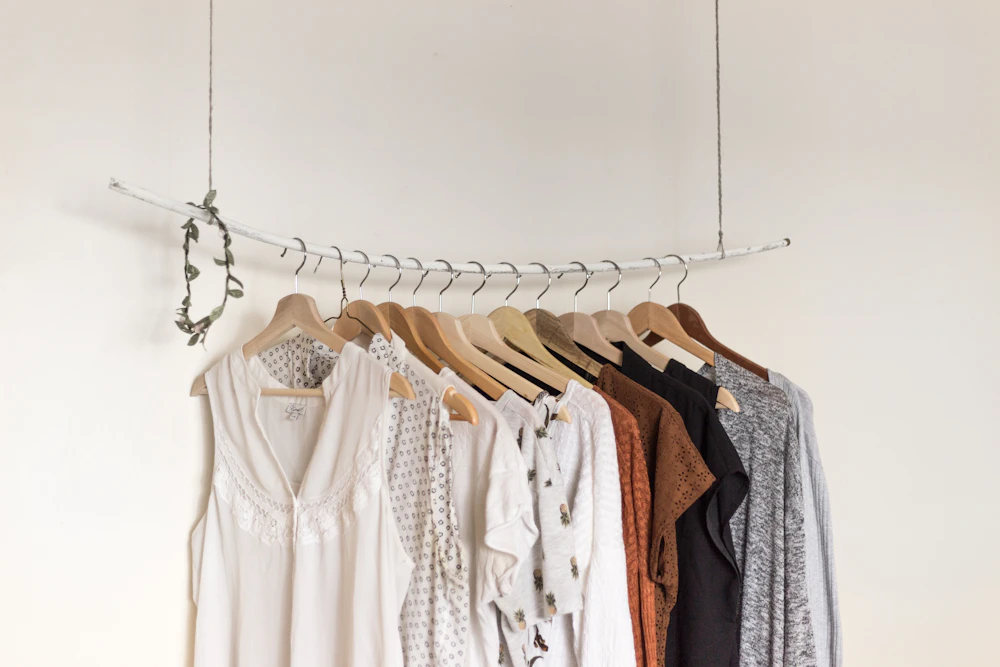
How do we actually use these lines in our daily lives? It starts with what we wear and how we stand. Asymmetry can be built into your wardrobe or your physical habits. The goal is to avoid cutting your body exactly in half. For example, a side-buttoned coat or an asymmetric hemline naturally draws the eye across the body rather than straight down. This creates an illusion of height and grace that a standard vertical line simply cannot achieve.
Quick Tips for Asymmetric Framing
1. The Three-Quarter Turn: Instead of facing people head-on, angle your body slightly. This creates a natural asymmetric line that is more slimming and inviting.
2. The Rule of Thirds: When choosing accessories like bags or scarves, wear them on one side to break the vertical symmetry of your torso.
3. Dynamic Hand Placement: Avoid keeping both hands in your pockets or both by your side. Use one to hold a coffee or a phone, creating a varied silhouette.
These small shifts might seem minor, but they change the "geometry" of your interaction. When you are not a perfect rectangle standing in front of someone, you become a series of interesting angles. This is why many top fashion designers utilize asymmetric cuts—it forces the viewer to engage more deeply with the wearer.
Measuring the Impact of Asymmetry
To understand why this works, let's look at the difference in how we perceive symmetric versus asymmetric structures. While symmetry suggests stability and order, asymmetry suggests action and evolution. In a social context, "action" is often perceived as confidence.
| Feature | Symmetric Approach | Asymmetric (Spatial Distraction) |
|---|---|---|
| Visual Impact | Static and Predictable | Dynamic and Engaging |
| Perceived Energy | Resting / Formal | Active / Approachable |
| Focal Point | The Center Line | The Entire Form |
| Psychological Effect | Reliability | Creativity and Confidence |
As you can see from the table, shifting toward the right side of the chart doesn't mean you lose reliability; it means you add layers to your personality. You become a person who is comfortable enough in their own skin to "distract" from the standard norms of posture.
Redefining Your Personal Space
The Rule of Spatial Distraction is ultimately about taking control of the space you occupy. It’s a reminder that we don’t have to be perfect to be powerful. In fact, our "imperfections" and the way we deviate from the center are often our greatest strengths. By intentionally using asymmetric lines, we invite the world to see us from a new perspective—one that is full of life, movement, and quiet confidence.
Finding Your Own Balance
You don't need to overthink every movement. Start by noticing when you feel most "stiff" and try to introduce a small break in that symmetry. Maybe it's crossing your legs at the ankle instead of the knee, or tilting your head slightly during a conversation. These are the lines that tell your story. If you're interested in learning more about the intersection of psychology and style, you can explore resources on visual perception to see how our eyes process beauty and balance.

Concluding Thoughts
Mastering the Rule of Spatial Distraction is a journey toward more authentic expression. By moving away from rigid symmetry and embracing the power of asymmetric lines, you transform your posture from a simple physical act into a sophisticated tool of communication. Remember, the goal isn't to distract people from *you*, but to distract them from the *expectations* of how a body should look, allowing your true confidence to shine through. Why not try one of the asymmetric tips today and see how it changes your perspective?
