The Art of Balance: Why Scale Matters in Fashion
Have you ever looked in the mirror and felt like your outfit was somehow "overwhelming" you? Or perhaps a beautiful pattern that looked stunning on the hanger suddenly seemed to disappear when you put it on? The secret often lies in a concept called Pattern Scale Relativity. It’s the subtle art of matching the size of a print—whether it's florals, stripes, or polka dots—to the physical scale of your own body frame. When these two elements are in harmony, the clothes enhance your presence rather than competing with it.
Finding Your Perfect Match
The general rule of thumb in style theory is that the scale of your pattern should mirror the scale of your frame. This creates a visual continuity that is pleasing to the eye. If you are small-boned and petite, a massive, oversized print can swallow your features. Conversely, if you have a tall, grander frame, tiny "ditsy" prints might look like static or clutter rather than a deliberate design choice. Let's break down how this works for different body types.
Small and Petite Frames
For those with a smaller bone structure or shorter stature, small to medium-scaled patterns are usually the most flattering. Think delicate florals, thin pinstripes, or small polka dots. These patterns maintain a sense of proportion, allowing your face and silhouette to remain the focal point. If you really love a larger print, try to find one with a lot of "negative space" (the background color) so it doesn't feel too heavy.
Medium and Average Frames
If you fall into the medium category, you have the most flexibility. You can easily carry off medium-sized prints, and you can experiment with slightly larger or smaller scales depending on the vibe you want to achieve. The key here is to observe where the pattern hits your body. If you're wearing a bold print on your lower half, keep the top simple to maintain that perfect equilibrium.
Tall and Large Frames
Large frames provide a wonderful canvas for bold, dramatic prints. Large-scale florals, wide stripes, and chunky geometric shapes look sophisticated and intentional on a taller or broader frame. Tiny prints can often get "lost" on a larger surface area, sometimes making the wearer look larger than they actually are by contrast. Don't be afraid to go big and make a statement!
Quick Tips for Perfect Proportions
1. The Hand Test: Place your hand over the pattern. If the individual elements of the print are much larger than your palm, it’s a large-scale print. If they are smaller than a coin, it’s small-scale.
2. Contrast Matters: High-contrast patterns (black and white) appear larger than low-contrast patterns (beige and cream), even if the physical size is the same.
3. Check the Mirror: Step back 5-10 feet from the mirror. If the pattern blurs into a solid color, it’s a small scale. If you can still clearly see the shapes, it’s medium to large.
Pattern Scale Reference Table
To help you visualize the best choices for your specific frame, here is a quick reference guide to help you navigate your next shopping trip.
| Frame Size | Recommended Pattern Scale | Examples of Patterns |
|---|---|---|
| Petite / Small | Small (0.5" - 1.5") | Ditsy florals, pinstripes, micro-dots |
| Average / Medium | Medium (1.5" - 3") | Standard leopard print, classic plaid |
| Tall / Grand | Large (3" +) | Tropical botanicals, wide awning stripes |
Breaking the Rules with Confidence
While these guidelines are a fantastic starting point, fashion is ultimately about self-expression. Sometimes, breaking the rules is exactly what creates a "fashion moment." A petite person wearing an oversized, abstract print can look incredibly avant-garde and chic if the tailoring of the garment is sharp. The goal of understanding scale relativity isn't to limit your choices, but to give you the tools to choose intentionally.
If you're interested in learning more about how color plays into this dynamic, you might want to check out this guide on Color Theory in Fashion. Remember, the most important thing you wear is your confidence.
Practical Application in Your Wardrobe
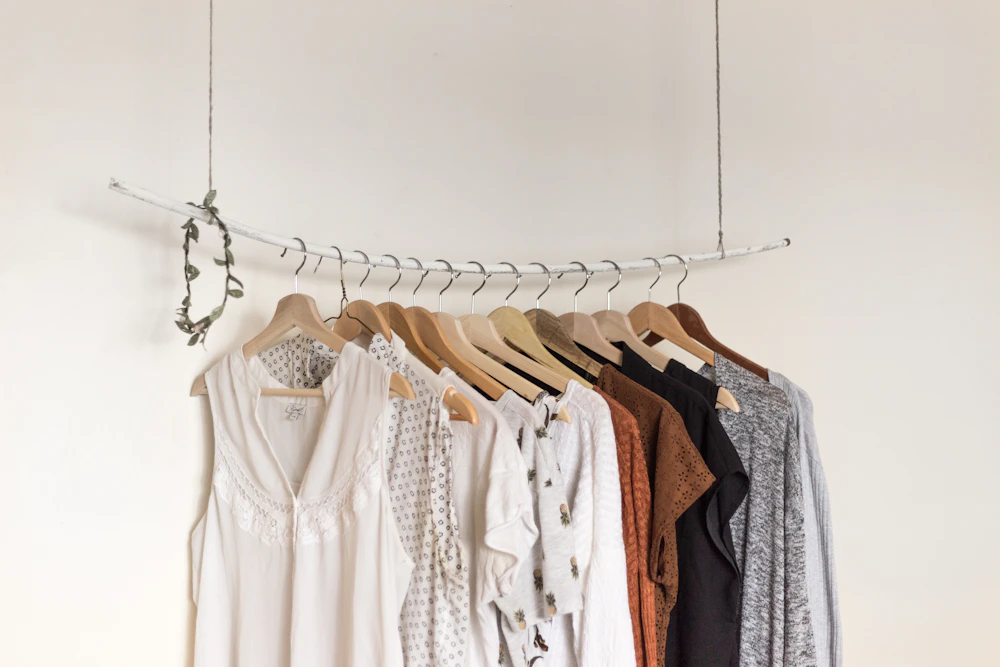
Start by looking through your current wardrobe. Identify the pieces you feel best in and look at the scale of their prints. You might find a recurring theme! If you have a favorite dress that you feel "lost" in, try adding a solid-colored belt or a blazer to break up the pattern and provide a resting place for the eyes. This simple trick can help balance out a print that might be slightly too large for your frame.
Understanding your frame and how it interacts with design elements is a journey. Take your time, experiment with different scales, and most importantly, have fun with it. Your style is a reflection of your unique personality, and now you have one more tool to make it shine even brighter.
