The Poetry of Motion: Why the Trench Coat Swings
Have you ever noticed how a trench coat seems to have a life of its own? When you walk down a busy street, the hem follows half a beat behind your stride, creating a rhythmic sway that feels almost cinematic. This isn't just about fashion; it's about the "Kinetic Flow." It is the way fabric reacts to gravity, wind, and the human body in motion. A well-designed trench coat doesn't just sit on your shoulders; it dances with your every step, turning a simple walk into a visual performance.
The magic happens in the space between the fabric and your body. Unlike a tailored suit that stays close to the frame, the trench coat is built with volume and length. This extra material is what captures the air as you move. As your leg pushes forward, it creates a pocket of pressure that pushes the fabric out, followed by a vacuum that pulls it back in. This cycle creates that iconic "flutter" we see in classic films and street style photography.
The Secret of the 'Drape'
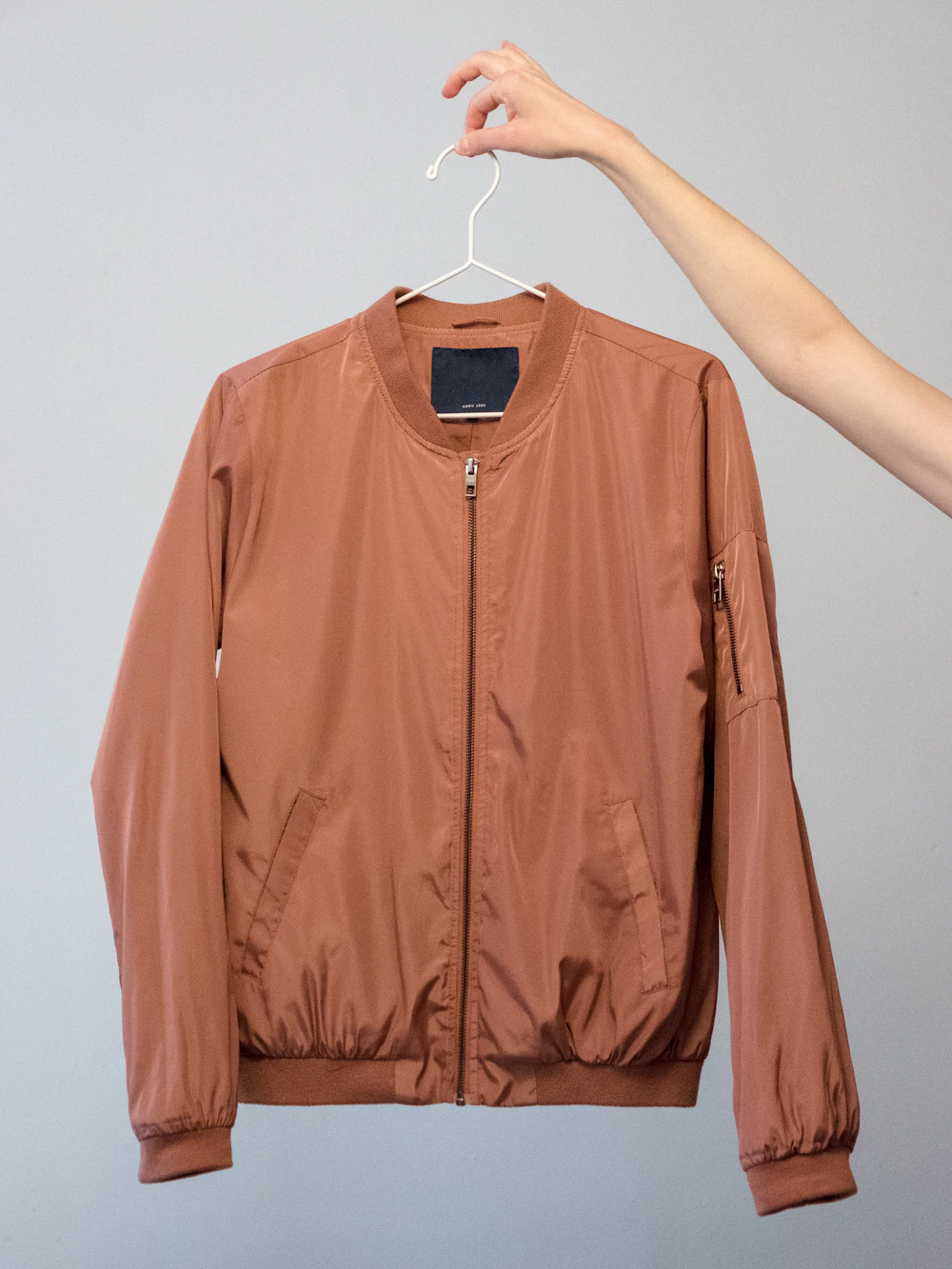
What makes one coat look stiff while another looks fluid? The answer lies in the drape. Drape is the technical term for how a fabric falls under its own weight. In a trench coat, we want a drape that is substantial enough to feel high-quality but light enough to react to the breeze. When the fabric has the right balance, it creates soft, elegant folds rather than sharp, awkward creases. This fluid movement is what differentiates a premium garment from a standard one.
The Science of Fabric Choice
The material you choose is the most important factor in how your coat will move. Traditionally, Thomas Burberry used cotton gabardine—a tightly woven, water-resistant fabric that offered a unique mix of structure and flexibility. Today, modern designers experiment with everything from technical polyesters to luxurious silk blends, each offering a different "kinetic signature."
Material Performance Comparison
To help you understand how different fabrics behave when you're on the move, I've organized a quick comparison based on weight and flow characteristics.
| Fabric Type | Weight Profile | Flow Intensity | Best For |
|---|---|---|---|
| Cotton Gabardine | Medium-Heavy | Moderate & Controlled | Classic structured look |
| Technical Nylon | Ultra-Light | High & Erratic | Modern, sporty movement |
| Wool Blend | Heavy | Low & Stately | Formal, dramatic presence |
| Silk/Viscose Blend | Light | Fluid & Liquid | Elegant, evening aesthetics |
As you can see, a wool blend might offer a commanding presence with less movement, whereas a technical nylon will catch every tiny gust of wind, creating a very active and energetic silhouette. If you are interested in exploring the history of these fabrics, you might find this deep dive into trench history quite fascinating.
Design Elements That Enhance Kinetic Flow
It’s not just the fabric; the architecture of the coat plays a massive role. Every flap, belt, and vent is a tool for controlling how the garment interacts with the air. When these elements work together, they create a harmonious flow that feels effortless.
The Back Vent
The slit at the back of the coat isn't just for ease of movement; it's the primary engine of the swing. A deeper vent allows the two back panels to move independently, creating a wider arc as you walk.
The Storm Flap
That extra layer of fabric on the chest or back (the gun flap) adds weight. This weight acts as an anchor, ensuring the top of the coat stays grounded while the bottom is free to fly.
The Belt Logic
Tying the belt in the back instead of buckling it at the waist changes the entire center of gravity. It pulls the side panels back, focusing all the kinetic energy into a beautiful "A-line" flare.
The Role of Length in Motion
Length is the multiplier of movement. A short trench coat that hits the mid-thigh has a quick, snappy vibration. However, a long coat that reaches the mid-calf or ankle has a slow, sweeping "pendulum" effect. The longer the coat, the more time the fabric has to react to your steps, resulting in a more dramatic and elegant flow. If you're looking for that cinematic "hero" walk, length is your best friend.
Finding Your Signature Flow
The way a trench coat moves is a personal expression of style. Some prefer the rigid, military-inspired structure that barely budges, signifying discipline and strength. Others gravitate towards the soft, oversized silhouettes that billow like a sail, suggesting a more relaxed and artistic personality. Next time you try on a trench coat, don't just look in the mirror—walk in it. Watch how the hem follows you. Listen to the soft "swish" of the fabric. The kinetic flow is the soul of the coat, and finding the one that matches your natural stride is the key to truly owning the look. What kind of movement do you prefer in your outerwear? Perhaps it's time to let the wind decide your next silhouette.
