Have you ever looked in the mirror and felt like something was just slightly off with your outfit, even though the pieces themselves were beautiful? The secret often lies not in the clothes themselves, but in the optical illusions they create on your body. Fashion is essentially a game of geometry and lines. By understanding how to manipulate vertical and horizontal tension, you can highlight your best features and create the silhouette you've always desired. Today, we’re going to explore how these invisible lines work and how you can use them to your advantage.
The Magic of Vertical Tension: Creating Length
Vertical tension is all about drawing the eye up and down. When we create a continuous path for the eye to travel vertically, it creates an illusion of height and a slimmer profile. This is the most popular technique for those who want to appear taller or more streamlined. It’s not just about wearing stripes; it’s about any element that directs the gaze vertically.
Mastering the Monochromatic Look
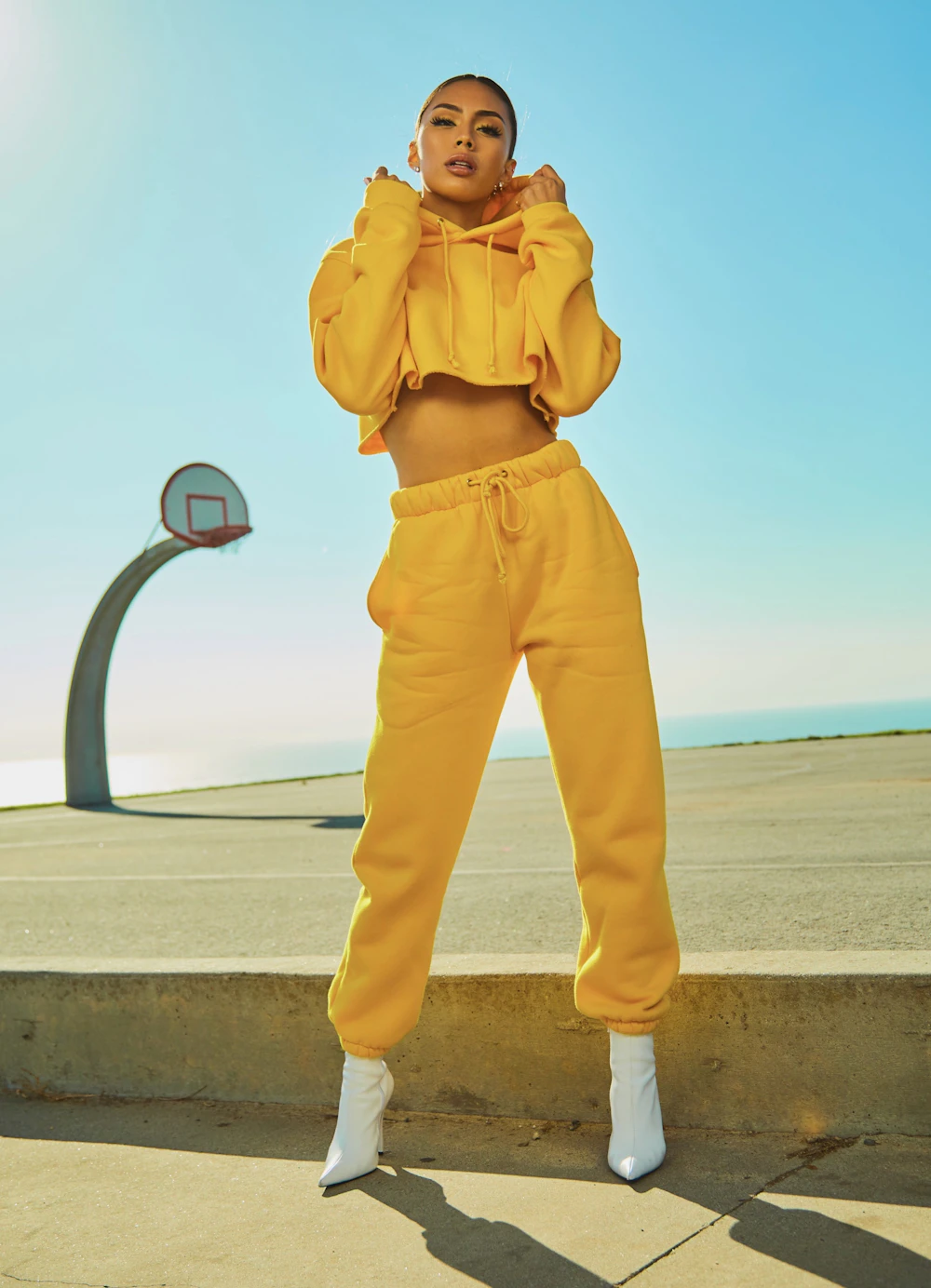
One of the easiest ways to utilize vertical tension is by wearing a single color from head to toe. This eliminates "breaks" in your silhouette. When you wear a black top with white pants, the eye stops at the waist, creating a horizontal break. However, an all-navy or all-beige ensemble keeps the eye moving vertically without interruption. This creates a powerful, elongated effect that feels sophisticated and effortless.
V-Necks and Pointed Details
The shape of your neckline plays a massive role in how your torso is perceived. A V-neck creates a vertical line down toward the chest, which elongates the neck and draws attention to the center of the body. Similarly, choosing shoes with a pointed toe rather than a square or round toe extends the line of your legs, making them look significantly longer. These small details aggregate to form a much taller presence.
Embracing Horizontal Tension: Adding Width and Volume
While vertical lines stretch, horizontal tension expands. This isn't something to be afraid of; rather, it’s a tool to balance your proportions. If you have a very narrow frame or want to emphasize specific curves, horizontal elements are your best friend. They draw the eye side-to-side, creating a sense of stability and fullness.
Strategic Use of Belts and Seams
Horizontal lines act as focal points. A wide belt placed at the narrowest part of your waist creates a strong horizontal tension that emphasizes an hourglass figure. Similarly, horizontal seams across the shoulders can make them appear broader, which is particularly useful for balancing out wider hips. The key is to place these horizontal breaks exactly where you want people to look.
Patterns and Texture Placement
Bold patterns, chunky knits, and horizontal stripes are the most direct ways to introduce horizontal tension. A Breton stripe shirt, for example, broadens the chest area. If you want to add volume to your lower body, opting for a skirt with horizontal tiers or a textured fabric like corduroy can create the illusion of a fuller silhouette. It’s all about creating visual weight where you need it most.
Comparing the Effects: Vertical vs. Horizontal
To help you decide which tension to use for your daily styling, here is a quick comparison of how these lines affect the viewer's perception. Balancing these two is the core of professional styling.
| Feature | Vertical Tension | Horizontal Tension |
|---|---|---|
| Primary Effect | Elongates & Slims | Broadens & Adds Volume |
| Key Elements | Pinstripes, V-necks, Long Scarves | Wide Belts, Boat Necks, Bold Prints |
| Best For | Increasing Height Appearance | Balancing Proportions |
| Visual Movement | Up and Down | Side to Side |
Choosing between these two depends entirely on your goal for the day. Are you aiming for a commanding, tall presence at a meeting? Go vertical. Are you looking to create a soft, approachable, and balanced look for a brunch date? Mix in some horizontal elements.
The Golden Rule of Proportions
The most stylish individuals don't just pick one; they balance both. This is where the real magic happens. By mixing vertical and horizontal tension, you can sculpt your body shape with precision. For more inspiration on balancing these elements, you might find latest fashion trends helpful in seeing how designers use these lines on the runway.
Pro-Styling Tip: The 70/30 Rule
For a balanced look that suits most body types, try the 70/30 rule. Dedicate 70% of your outfit to vertical tension (like long trousers and a matching blazer) and use 30% for horizontal tension (like a contrasting belt or a horizontal-patterned bag). This ensures you look tall and sleek while still having a defined shape and interesting focal points.
Perfecting Your Visual Silhouette
In conclusion, styling is much more than just following the latest trends. It is an art form that uses optical illusions to tell a story about who you are and how you want to be seen. By mastering vertical tension, you can command a room with a tall and streamlined silhouette. By utilizing horizontal tension, you can add structure, curves, and balance to your frame.
Summary for Your Next Outfit
Remember these simple points when getting dressed tomorrow:
- Use Vertical Lines (pinstripes, monochromatic colors, long necklaces) when you want to look taller and leaner.
- Use Horizontal Lines (belts, boat necks, contrasting colors) when you want to emphasize a specific area or add volume.
- Don't be afraid to experiment! The mirror is your best tool to see where the tension is pulling the eye.
Fashion is a powerful tool for self-expression. Now that you know the secrets of visual tension, you can dress with more confidence and intentionality every single day. Which technique will you try first?
