Have you ever looked at a modern fashion runway and felt a strange sense of déjà vu? It is often said that fashion moves in cycles, but it’s more than just a simple repeat. It’s a sophisticated conversation between the past and the present. Today, we are seeing "Heritage Silhouettes"—those iconic shapes from the 18th, 19th, and mid-20th centuries—returning with a fresh, modern energy. Let’s explore how these historical echoes are shaping the trends we wear today.
The Grandeur of the Past in Everyday Wear
Historical fashion was often about drama and structure. From the voluminous skirts of the Victorian era to the sharp, exaggerated shoulders of the 1940s, these silhouettes were designed to make a statement. In our current era, designers are stripping away the discomfort of the past while keeping the visual impact.
The Renaissance of Voluminous Sleeves
One of the most visible trends is the return of the "Leg-of-Mutton" sleeve. Originally popular in the 1890s, these puffed shoulders have found a new home in modern blouses and dresses. By using lightweight fabrics like organic cotton or sheer organza, modern designers have made this once-heavy silhouette feel airy and contemporary. It’s a perfect example of taking a historical "echo" and tuning it for a 21st-century audience.

Corsetry and the New Structure
For a long time, the corset was seen as a symbol of restriction. However, the modern "bustier" trend has reclaimed this silhouette as a symbol of empowerment. Modern versions focus on flexibility and layering, often worn over oversized shirts or casual knits. This blend of rigid historical structure with relaxed modern styling creates a fascinating visual tension.
Spotlight: The Modern Reimagining
Did you know that many of the "oversized" trends we see today actually have roots in the draped garments of ancient civilizations and the loose smocks of the 1920s? The key to modern heritage style is balance. When you wear a piece with a heavy historical influence, like a structured corset top, pairing it with something inherently modern, like wide-leg denim, creates a look that feels grounded yet forward-thinking.A Comparison of Eras: Then vs. Now
To understand how much we’ve inherited from the past, it’s helpful to look at the specific elements that have transitioned from the archives to the high street. Modern fashion isn't just copying; it's translating.
| Feature | Historical Context | Modern Interpretation |
|---|
| Silhouettes | Rigid, bone-structured bodices | Soft, flexible knits with seam detailing |
| Volume | Heavy crinolines and petticoats | Tiered maxi skirts and lightweight tulle |
| Shoulders | Padded power shoulders (1940s/80s) | Architectural blazers with eco-friendly pads |
| Materials | Heavy brocades and silks | Recycled polyesters and tech-fabrics |
The Mid-Century Influence: Minimalism Meets Heritage
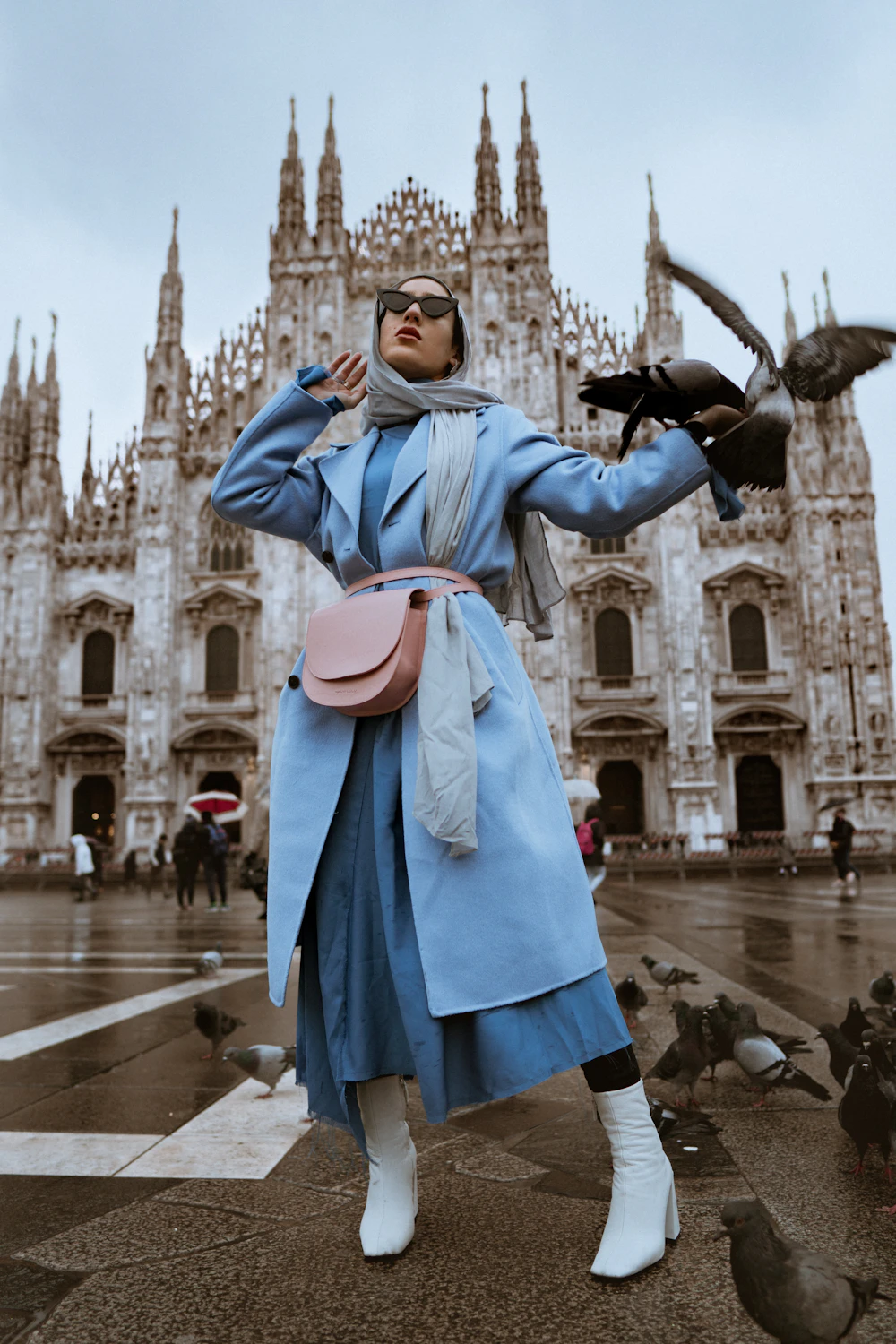
While the 19th century gave us drama, the mid-20th century—specifically the 1950s and 60s—gave us the foundation for modern minimalism. The "New Look" by Christian Dior, characterized by a cinched waist and full skirt, continues to influence how we define femininity in fashion today.
Tailoring with a Story
Modern tailoring has moved away from the boxy shapes of the early 2000s and returned to the shapely, hourglass figures of the 1950s. We see this in the resurgence of "Lady-like" chic—think tweed jackets, midi skirts, and kitten heels. These elements provide a sense of stability and timelessness in an ever-changing world. If you're interested in seeing more of these archival pieces, you can check out the
Metropolitan Museum of Art's Costume Institute for incredible historical references.
Embracing the Echoes
The beauty of heritage silhouettes lies in their ability to tell a story. When we wear clothes that echo the past, we are connecting with centuries of craftsmanship and cultural evolution. Modern fashion isn't about looking like you're in a costume; it's about taking the best parts of history—the elegance, the structure, and the drama—and making them work for your lifestyle. Next time you're shopping, look for those subtle nods to the past. Whether it’s a puffed sleeve or a high-waisted trouser, remember that you’re wearing a piece of history that has been beautifully reimagined for today.