Footwear Metaphor: Changing Outfit Formalities with Sole Profiles
Have you ever looked in the mirror and felt that your outfit was "almost" perfect, yet something seemed slightly out of balance? We often spend hours picking the right shirt or the perfect pair of trousers, but we tend to overlook the very foundation of our look: the soles of our shoes. In the world of men's and women's fashion, the "sole profile" acts as a powerful metaphor for the tone of your entire ensemble. It is the silent language that dictates whether you are ready for a boardroom meeting or a casual brunch in the city.
Think of your shoes as the punctuation mark of your outfit's sentence. A thin, sleek sole provides a sophisticated period at the end of a formal statement, while a thick, rugged sole adds an exclamation point of modern utility. By simply changing the profile of your soles, you can shift the formality of the same outfit from one end of the spectrum to the other without changing a single other garment.
The Vertical Dimension of Style
The Thin Sole: The Essence of Formal Elegance
The traditional thin leather sole is the hallmark of classic formality. Whether it is a pair of Oxfords or sleek Chelsea boots, a low-profile sole keeps the silhouette sharp and grounded. This profile is rooted in history, where a thin sole indicated that the wearer spent most of their time on carpets or clean pavements, rather than trekking through mud or industrial environments. When you wear shoes with a thin profile, you are signaling a sense of refinement and tradition. It pairs perfectly with tailored suits, sharp trousers, and silk fabrics, maintaining a continuous line from your waist to the floor.

If you want to appear approachable yet professional, the thin sole is your best friend. It doesn't scream for attention but provides a solid, quiet confidence. It’s the perfect choice for weddings, high-stakes business meetings, or any event where "timeless" is the dress code.
The Chunky Sole: A Modern Narrative
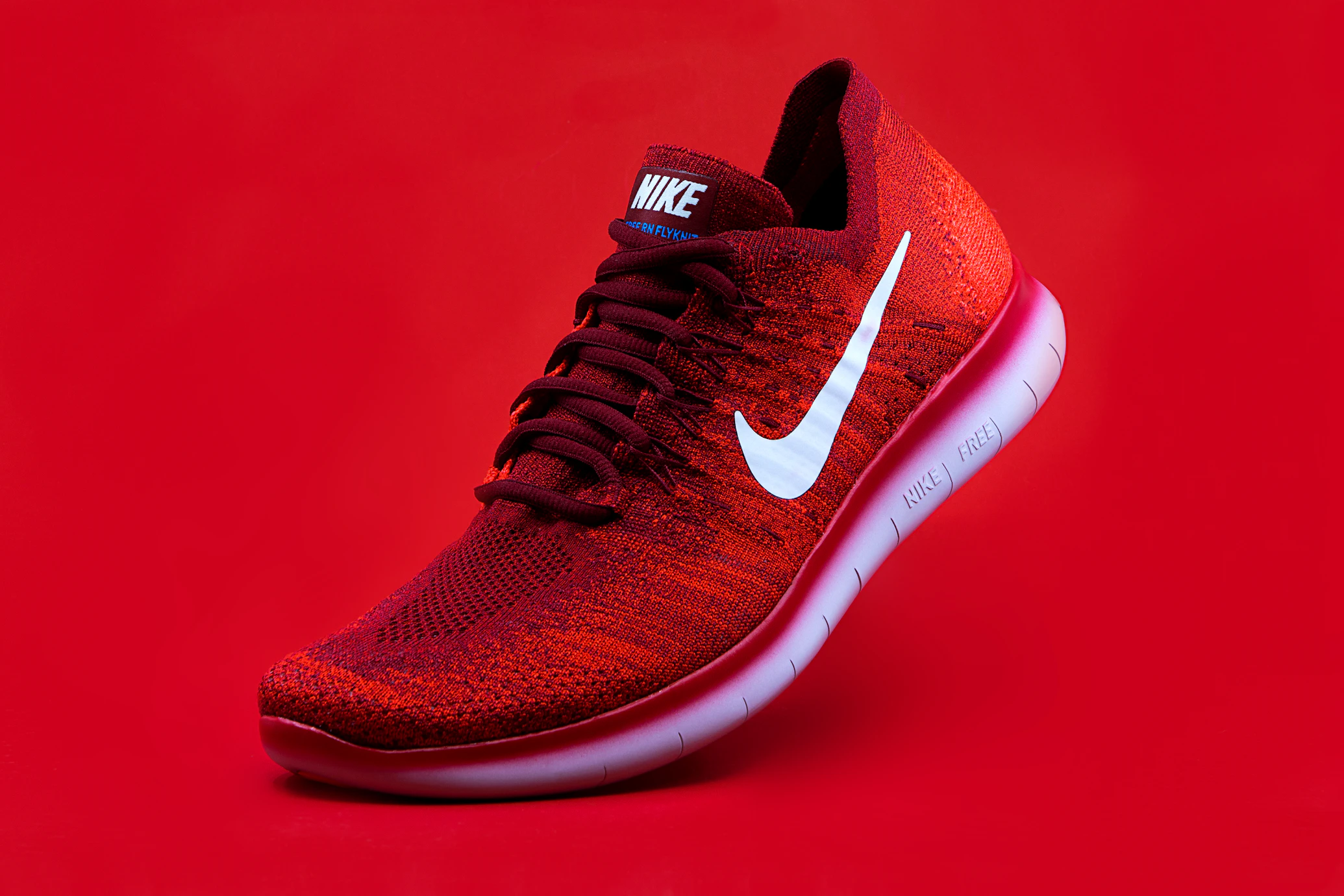
On the opposite side of the spectrum, we have the lug sole, the commando sole, and the chunky platform. Over the last few years, these have moved from the construction site to the high-street runway. A thick sole adds visual weight to your lower half, creating a "grounded" and contemporary aesthetic. It breaks the traditional rules of tailoring, adding a touch of rebellion or ruggedness to an otherwise standard look. When you pair a chunky sole with a suit, you are intentionally "dressing down" the formality, making it look modern, edgy, and youthful.
The Quick Profile Tip
When choosing your footwear, look at the "Welt" (the area where the upper meets the sole). A hidden or thin welt leans toward formal elegance. A wide, visible, or contrast-stitched welt leans toward casual, rugged utility. Matching the sole weight to the fabric weight of your clothes is the secret to a balanced silhouette.
Navigating the Formality Spectrum
Understanding how the sole affects your look allows you to play with fashion like a pro. You don’t need a hundred pairs of shoes; you just need a few with different profiles to cover every social scenario. Below is a quick guide to help you visualize how different footwear types stack up in terms of formality and their ideal sole profiles.
| Shoe Type | Sole Profile | Formality Level | Best Paired With |
|---|---|---|---|
| Oxford / Wholecut | Ultra-Thin Leather | Very High | Full Suits, Tuxedos |
| Derby / Loafer | Medium Leather/Rubber | Medium-High | Chinos, Blazers |
| Chunky Loafer | Heavy Lug Sole | Medium-Low | Wide Trousers, Denim |
| Classic Sneaker | Flat Cupsole | Low | Casual Wear, Shorts |
| Technical Boot | Extra-Thick Platform | Very Low / Street | Cargo Pants, Oversized Fits |
As you can see from the table, even within the same category like "Loafers," the sole profile can move the shoe from a "Medium-High" formality to "Medium-Low." A thin-soled loafer is perfect for a business-casual office, while a chunky-soled loafer is a fashion-forward choice for a weekend outing. For more inspiration on how to mix these styles, you might want to check out current runway trends where the lines between formal and casual are constantly being blurred.
Finding Your Perfect Balance
The Weight of the Fabric
One common mistake is pairing heavy, thick-soled shoes with very lightweight, summer fabrics. Imagine wearing linen trousers with heavy combat boots—the visual weight of the shoes "pulls" the outfit down, making it look unbalanced. Conversely, wearing very thin-soled dress shoes with heavy winter wools can make the shoes look flimsy. A good rule of thumb is to match the visual weight of your shoes to the texture and weight of your clothing.
Creating a Versatile Wardrobe
If you are building a wardrobe from scratch, start with the "Middle Ground." A shoe with a medium-thickness rubber sole offers the best of both worlds—it's comfortable enough for all-day wear and sleek enough to pass for formal in most modern settings. As you get more comfortable, experiment with the extremes. Try a heavy-soled boot with your favorite slim-fit jeans to see how it changes your posture and the "vibe" you project to the world.
Ultimately, fashion is about the stories we tell through our choices. The sole of your shoe is the foundation upon which that story is built. By understanding the footwear metaphor of sole profiles, you gain the power to manipulate the formality of your outfit with precision and ease. Whether you choose the quiet elegance of a thin leather sole or the bold statement of a chunky lug sole, make sure it reflects the version of yourself you want to present today. Your shoes aren't just for walking; they are for defining exactly where you stand in the world of style.
