Have you ever looked at a bold, high-contrast color-blocked outfit or a room and felt a bit overwhelmed? While traditional color blocking—pairing complementary colors like blue and orange—is designed to grab attention, there is a more sophisticated and calming way to play with hues. Today, we are diving into the world of "Analogous Color Blocking." This technique shifts the focus from loud clashes to subtle, rhythmic transitions, creating a look that is both modern and incredibly easy on the eyes.

The Shift from Bold Clashes to Harmonic Flow
Traditional color blocking emerged as a way to celebrate vibrant energy. However, as our design sensibilities evolve toward wellness and mindfulness, many are seeking "soft contrast." This is where analogous palettes shine. By choosing colors that sit next to each other on the color wheel—think blue, blue-green, and green—you create a natural flow that mimics the transitions found in nature, like a sunset or a forest canopy.
Why Analogous Palettes Work So Well
The secret lies in visual comfort. Because these colors share a common base hue, the eye doesn't have to work as hard to process the transition from one block to the next. This creates an "expansive" feel in interior design and a "tailored" look in fashion. It’s a way to use multiple colors without the chaos, allowing the textures and silhouettes of your work to stand out just as much as the colors themselves.
Mastering the 60-30-10 Rule in Soft Contrast
Even with colors that are naturally harmonious, balance is key. You don't want the colors to compete for dominance, or the effect might become muddy. Instead, try applying a classic design ratio to your analogous color blocking. This ensures that there is enough variety to keep things interesting while maintaining that signature soft contrast.
Pro Tip: The Balancing Act
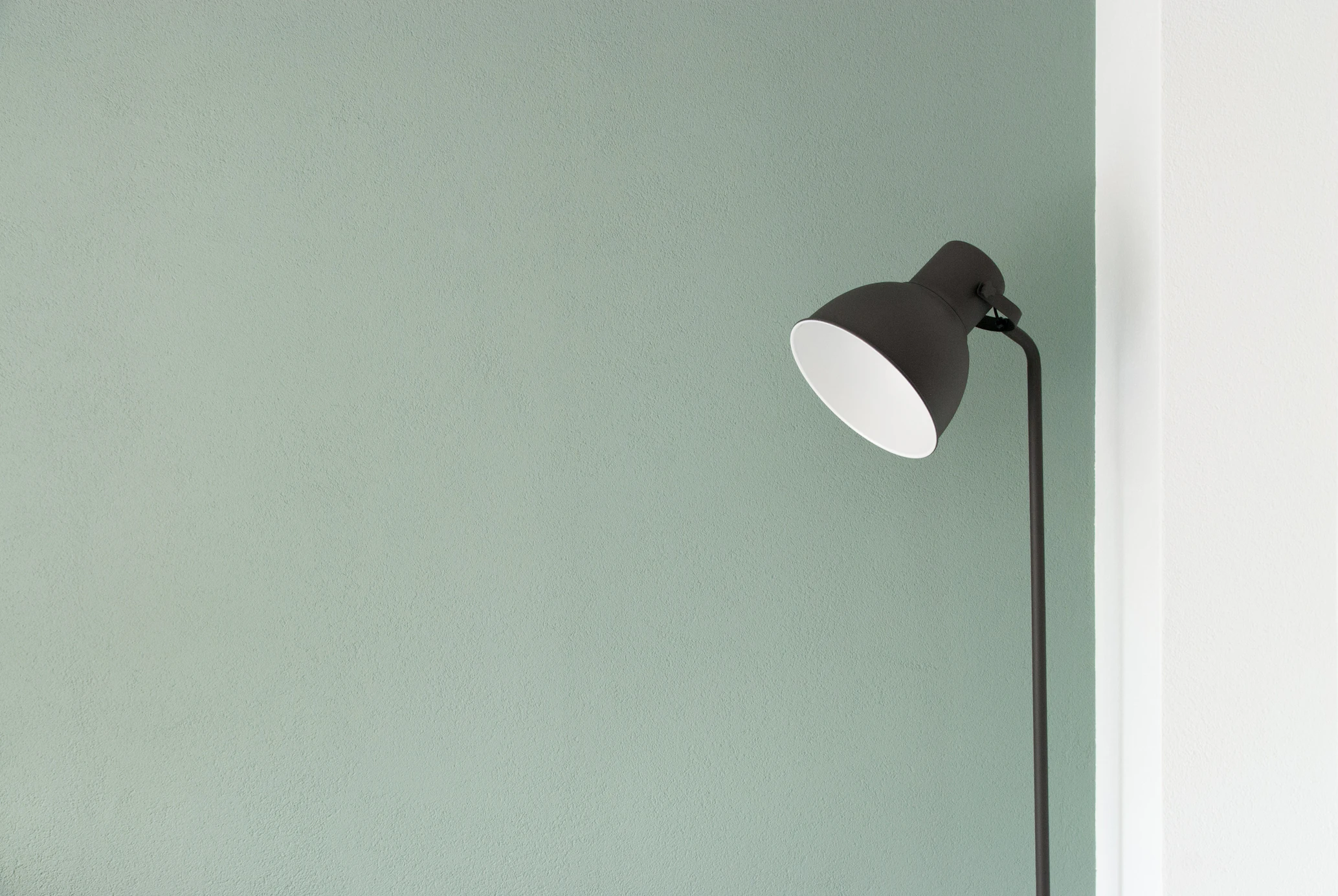
To achieve the perfect soft-contrast look, designate one primary color to take up about 60% of the space. Use a neighboring color for 30%, and a third adjacent color for the final 10% as an accent. For example, in a living room, you might use a soft sage green for the walls (60%), a deep forest green for the sofa (30%), and a pale lemon-yellow for the cushions (10%). This creates depth without the visual noise of traditional high-contrast schemes.
Comparing Traditional vs. Analogous Color Blocking
If you're still deciding which approach fits your project, it helps to see how they stack up against each other. Both have their merits, but they serve very different atmospheric purposes. Let's look at the key differences in how they affect the viewer's perception and the overall mood.
| Feature | Traditional Color Blocking | Analogous Color Blocking |
|---|---|---|
| Color Relationship | Opposites (Complementary) | Neighbors (Adjacent) |
| Visual Impact | High energy, loud, graphic | Serene, sophisticated, rhythmic |
| Best For | Statement pieces, street style | Professional wear, calming interiors |
| Mood | Exciting and adventurous | Cohesive and intentional |
| Complexity | Simple pairing, high risk | Layered depth, low risk |
Practical Ways to Start Reimagining Color
You don't need a complete overhaul to start using this technique. Start small by looking at your current environment or wardrobe. Are there colors you already love? Look at a digital color wheel tool to find its neighbors. If you love teal, try pairing it with a dusty sky blue and a hint of mint green. You'll notice immediately how the space feels more curated and thoughtfully put together.
Applying Soft Contrast to Digital Spaces
For digital creators and bloggers, analogous color blocking is a game-changer for readability and brand identity. Instead of using a harsh white background with neon buttons, try using a very pale lavender background with deep violet text and plum-colored call-to-action buttons. This keeps the user engaged for longer periods because it reduces eye strain while maintaining a distinct, colorful personality.
Embracing the Harmony
Color blocking doesn't always have to be a shout; sometimes, it’s most effective as a whisper. By reimagining this technique through the lens of analogous palettes, you open up a world of soft contrast that feels both modern and timeless. Whether you are redesigning a room, styling an outfit, or building a brand, remember that harmony is just as powerful as highlights. Why not try picking three neighboring colors today and see how they transform your creative projects? We would love to hear which combinations you find most relaxing!
